
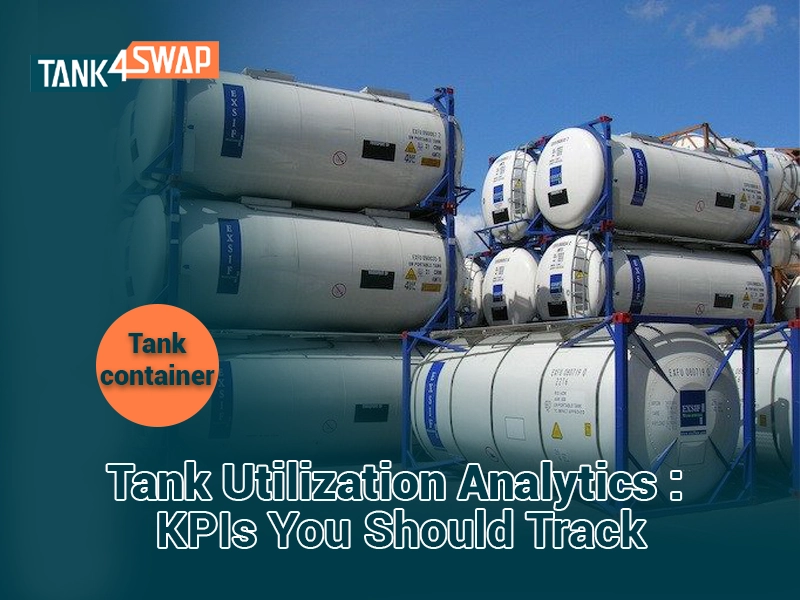
Managing storage tanks without proper analytics is like driving with your eyes closed—you might move forward, but you won’t know if you’re heading in the right direction. Tank Utilization Analytics helps industries monitor capacity, detect inefficiencies, and optimize operational performance.
In this comprehensive guide, we break down everything you need to know about Tank Utilization Analytics: KPIs You Should Track, why these metrics matter, and how to leverage them for smarter decision-making.
Introduction to Tank Utilization Analytics
Tank utilization analytics refers to the process of tracking, measuring, and analyzing the performance of industrial storage tanks. These insights help companies improve efficiency, maximize storage capacity, and reduce operational risks.
Why Tank Utilization Matters in Modern Industries
Industries rely heavily on tanks to store essential materials. Poor tank management can lead to inefficiencies, delays, or costly losses.
How Tank Utilization Analytics Works
Tank utilization analytics leverages data collected from sensors, tank management systems, and operational logs to monitor how tanks are being used across the supply chain. By analyzing parameters such as fill levels, turnover rates, idle periods, and environmental conditions, companies can gain insights into capacity usage, identify bottlenecks, and optimize overall tank operations. This data-driven approach helps improve operational efficiency, reduce costs, and enhance asset management decisions.
Benefits of Tracking Tank Utilization KPIs
Better inventory management
Improved operational efficiency
Reduced waste and shrinkage
Enhanced safety compliance
Lower downtime
Top Industries Using Tank Utilization Analytics
Oil & gas
Chemical manufacturing
Food & beverage
Agriculture
Pharmaceuticals
Water treatment
Tank Utilization Analytics: KPIs You Should Track (Main Overview)
Tracking key performance indicators (KPIs) is essential to measure the effectiveness of tank operations. Analytics can highlight underutilized assets, inefficiencies in throughput, and areas where safety or compliance might be compromised. By focusing on measurable KPIs, organizations can implement strategic decisions that enhance utilization rates, reduce operational waste, and ensure optimal performance of tank fleets.
Key KPI #1: Tank Capacity Utilization Rate
Tank Capacity Utilization Rate is one of the most critical KPIs for evaluating how effectively storage tanks are being used. It measures the percentage of available tank capacity that is actively filled over a specific period. A consistently low utilization rate often signals structural inefficiencies—such as inaccurate forecasting, uneven supply cycles, or oversized tank capacities.
Why it Matters:
Helps companies optimize storage allocation.
Reduces unnecessary operational costs from underused tanks.
Supports better production and procurement planning.
How to Improve This KPI:
Implement dynamic scheduling based on real-time demand.
Use predictive analytics to forecast tank fill volumes.
Reassess tank sizes or redistribute inventory based on performance data.
Key KPI #2: Fill Level Percentage
Fill Level Percentage measures the real-time volume of material inside a tank as a percentage of its total capacity. While simple on the surface, it’s one of the most essential KPIs for preventing both shortages and overflows.
Why It’s Important:
Ensures continuous supply for production lines.
Prevents costly overfill incidents and potential contamination.
Supports accurate procurement and replenishment planning.
Reduces emergency ordering, which often increases transportation costs.
How to Use This KPI Effectively:
Combine fill-level readings with demand forecasts to automate reorder triggers.
Use IoT-enabled level sensors for accurate, continuous monitoring.
Analyze fluctuations to identify abnormal consumption or potential leakage.
Track fill trends over weeks/months to improve long-term capacity planning.
Optimization Tips:
Set threshold alerts (e.g., below 20% or above 90%).
Integrate fill-level data with ERP systems for synchronized scheduling.
Use radar or ultrasonic sensors for high-precision measurement in harsh environments.
Key KPI #3: Average Dwell Time
Average dwell time measures how long a tank remains at a particular location or in a specific state before being emptied or refilled. A high dwell time may indicate inefficiencies such as delays in unloading, transportation bottlenecks, or scheduling issues. Monitoring this KPI allows companies to streamline processes, improve turnaround times, and optimize inventory flow.
Key KPI #4: Tank Turnover Rate
Tank Turnover Rate measures how frequently the contents of a tank are fully cycled within a given timeframe. A high turnover rate indicates fast-moving inventory, while a low rate can suggest stagnation, poor planning, or bottlenecks in upstream or downstream operations.
Operational Importance:
Prevents product degradation, especially with sensitive goods like chemicals, oils, and perishable liquids.
Ensures optimal inventory flow and reduces storage overhead.
Helps businesses align supply chain processes more effectively.
How to Analyze It Properly:
Compare turnover trends across different product types.
Identify slow-moving tanks that may require process redesign.
Use the data to plan procurement and distribution more accurately.
Key KPI #5: Inventory Accuracy
Inventory accuracy tracks how precisely the actual contents of a tank match recorded data in management systems. Discrepancies can result in supply chain disruptions, financial losses, or compliance issues. Regular monitoring of inventory accuracy ensures reliable reporting, efficient planning, and effective utilization of tank capacity.
Key KPI #6: Throughput Efficiency
Throughput efficiency evaluates the speed and effectiveness of tank operations from filling to emptying. Higher throughput efficiency indicates smooth processes, minimal downtime, and well-coordinated logistics. By tracking this KPI, companies can identify operational bottlenecks, optimize scheduling, and maximize the use of tank resources.
Key KPI #7: Idle Tank Time
Idle tank time measures periods when tanks are not in active use. Excessive idle time can lead to wasted assets and increased operational costs. Analyzing this KPI helps organizations reallocate resources, improve scheduling, and increase overall tank utilization, ensuring that tanks generate value consistently.
Key KPI #8: Product Loss & Shrinkage
Product Loss & Shrinkage measures the volume of product lost due to factors such as leakage, evaporation, contamination, or improper handling. It’s one of the most cost-impacting KPIs because even minimal losses can lead to major financial setbacks over time—especially in industries dealing with high-value liquids.
Why Monitoring This KPI is Critical:
Prevents revenue loss and unnecessary waste.
Helps maintain product quality and safety.
Enhances environmental compliance, reducing the risk of penalties.
Ways to Reduce Losses:
Use advanced leak detection and automated pressure monitoring systems.
Conduct regular tank integrity inspections.
Improve staff training on safe transfer and handling procedures.
Implement sealed or temperature-controlled environments for sensitive liquids.
Key KPI #9: Temperature Stability
For temperature-sensitive products, maintaining consistent tank temperatures is critical. Temperature stability KPI tracks deviations from target conditions, which could compromise product quality or safety. Monitoring this metric allows for timely adjustments and ensures compliance with regulatory standards and product specifications.
Key KPI #10: Compliance & Safety Metrics
Compliance and safety metrics assess adherence to legal, environmental, and operational standards in tank management. This includes monitoring pressure limits, hazardous material handling, and regulatory reporting. Tracking this KPI reduces risks of accidents, fines, and operational disruptions, while promoting safe and compliant tank operations.
Conclusion
Tank Utilization Analytics gives businesses a clear advantage by improving efficiency, reducing waste, and supporting smarter planning. Tracking the right KPIs ensures your operations stay optimized, safe, and ready for long-term growth. With data-driven decision-making, companies can unlock significant cost savings and productivity gains.
FAQs
-
What is tank utilization analytics?
It’s the process of using data to track and optimize the performance of industrial storage tanks.
-
Why are tank KPIs important?
They help identify inefficiencies, reduce costs, and prevent operational risks.
-
What industries benefit the most?
Oil & gas, chemicals, food processing, agriculture, water treatment, and pharmaceuticals.
-
How often should tank data be monitored?
Ideally, in real time—especially in industries where product quality is time-sensitive.
-
What technologies support tank utilization analytics?
IoT sensors, cloud platforms, AI, machine learning, and industrial automation tools.
Get in Touch with TANK4SWAP Today!
Looking for a smarter, safer, and more cost-efficient solution for transporting edible oils in bulk? TANK4SWAP is your trusted partner. Our premium Flexi Tanks are engineered for maximum performance, zero contamination risk, and reduced overall shipping expenses.
Whether you need expert guidance on choosing the right Flexi Tank, optimizing your logistics workflow, or ensuring full food-grade compliance, our dedicated specialists are here to help. Don’t compromise on quality.
reach out to TANK4SWAP today and enjoy a seamless, reliable edible oil transport experience like never before! 🚀
