
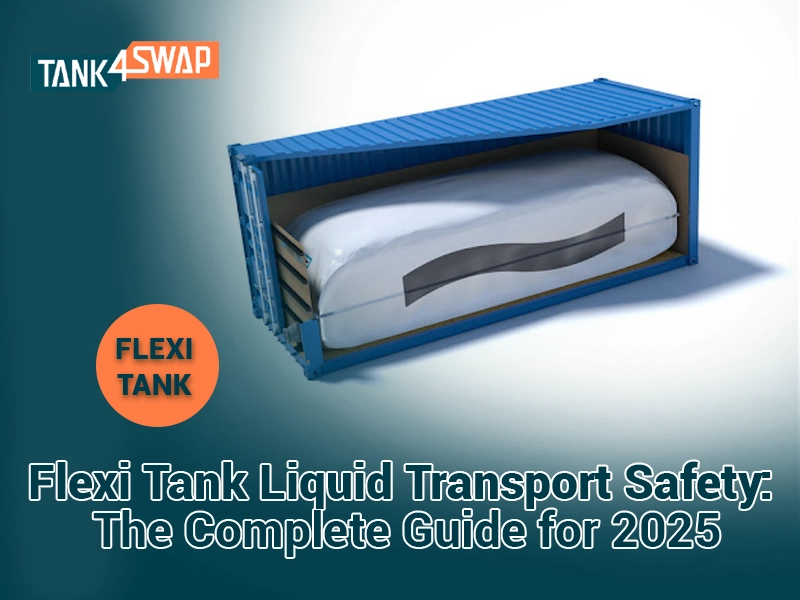
Flexi Tanks have emerged as a transformative solution in bulk liquid logistics, offering a modern approach that prioritizes Flexi Tank liquid transport safety at every stage. As a cost-efficient and environmentally friendly alternative to traditional drums and ISO tanks, they deliver exceptional flexibility and reliability for transporting a wide range of liquids across global routes.
What Is a Flexi Tank?
A flexi tank is a large, collapsible bladder made from multilayer polyethylene and polypropylene, designed to fit inside a standard 20-foot shipping container. It can hold up to 24,000 liters of non-hazardous liquid safely and efficiently.
The Rise of Flexi Tank Liquid Transport
Over the last decade, the global demand for liquid logistics has surged. Industries like food, beverage, chemicals, and agriculture increasingly rely on flexi tanks to move bulk liquids across continents safely and economically.
Why Flexi Tank Liquid Transport Safety Matters
Safety is at the core of every logistics operation. A compromised flexi tank can lead to product contamination, leaks, or costly spills — all of which can have devastating financial and environmental impacts.
Key Advantages of Using Flexi Tanks
Lower shipping costs compared to ISO tanks
Reduced packaging waste
Faster loading and unloading times
Minimal cleaning requirements
Suitable for a wide range of liquids
Materials Used in Flexi Tank Manufacturing
High-quality flexi tanks are typically made from multiple layers of polyethylene and an outer woven polypropylene layer. These materials provide strength, flexibility, and chemical resistance to prevent ruptures or contamination.
How Flexi Tanks Work in Liquid Transport
The tank is installed inside a 20-foot container, filled with liquid, and securely sealed. Once the destination is reached, the tank is drained and disposed of or recycled — making the process efficient and hygienic.
Flexi Tank Liquid Transport Safety Standards Worldwide
International safety standards, such as COA (Container Owners Association) and ISO 9001, define quality benchmarks for flexi tank production, testing, and usage. Compliance ensures global transport safety and reliability.
Design Innovations for Safer Flexi Tanks
Modern flexi tanks feature:
Multi-layer protection
Enhanced valve systems
Anti-wave baffles
Leak-proof seals
These innovations drastically reduce the risk of spillage and improve overall safety performance.
The Installation Process Explained
Proper installation involves cleaning the container, securing the flexi tank with steel bars or belts, and ensuring the container walls are smooth and free from sharp edges.
Common Risks in Flexi Tank Liquid Transport
Overfilling the tank
Using damaged containers
Poor quality control
Temperature fluctuations
Each of these risks can compromise product integrity or lead to leaks during transit.
How to Improve Flexi Tank Liquid Transport Safety
Ensuring Flexi Tank liquid transport safety involves a holistic approach that combines technology, training, and strict compliance with international standards. The goal is to minimize the risk of leaks, contamination, and physical damage during every stage of transportation.
Use Certified and Tested Flexi Tanks
Not all flexi tanks are created equal. Always purchase from manufacturers certified by the Container Owners Association (COA) and compliant with ISO 9001 quality standards. Certified tanks undergo rigorous testing for strength, burst resistance, and chemical compatibility.
Pre-Shipment Inspection
Before loading, conduct a thorough inspection of both the container and the flexi tank.
Check for:
Sharp edges or dents inside the container
Proper valve and seal integrity
Compatibility between the liquid and tank material
Professional Installation and Loading
Improper installation is one of the leading causes of accidents in bulk liquid transport.
Best practices include:
Using trained professionals for loading
Ensuring even weight distribution
Keeping the fill level at 95–97% to avoid expansion or air pockets
Implement Smart Monitoring Systems
IoT-enabled sensors can monitor temperature, pressure, and vibration levels throughout the journey. Real-time data allows operators to detect irregularities early and prevent possible leaks or ruptures.
Regular Staff Training
Drivers, logistics staff, and handlers should receive ongoing training in:
Emergency response procedures
Handling of food-grade vs. industrial liquids
Safe loading and unloading techniques
By following these steps, companies can significantly reduce operational risks and ensure that their Flexi Tank liquid transport safety processes remain compliant and efficient.
Best Practices for Loading and Unloading Liquids
Always fill tanks evenly to prevent pressure imbalance. Maintain a consistent flow rate and use professional-grade pumps for safe loading and unloading operations.
Monitoring Temperature and Pressure
Real-time monitoring helps detect changes in temperature or pressure, preventing expansion or contraction that could damage the tank or container.
Safety Guidelines for Non-Hazardous Liquids
Even when transporting non-hazardous liquids, follow strict hygiene and handling standards to avoid cross-contamination and maintain product quality.
Handling Food-Grade Liquids with Flexi Tanks
Food-grade flexi tanks must be manufactured in sterile environments, using FDA-approved materials and equipment to ensure hygiene and compliance.

Flexi Tank vs ISO Tank: Which Is Safer?
When discussing Flexi Tank liquid transport safety, the comparison between Flexi Tanks and ISO Tanks is inevitable. Both are widely used in the logistics industry, but each has distinct advantages and limitations in terms of safety, cost, and environmental impact.
| Feature | Flexi Tank | ISO Tank |
| Suitable Liquids | Non-hazardous liquids | Hazardous & non-hazardous |
| Capacity | 16,000–24,000 liters | 20,000–26,000 liters |
| Reusability | Mostly single-use | Multi-use (10–20 years) |
| Cleaning Requirement | None (disposable) | Requires cleaning between uses |
| Environmental Impact | Lower carbon footprint | Higher due to cleaning and maintenance |
| Safety for Food Products | Excellent (FDA-approved) | Excellent |
| Cost Efficiency | Lower overall cost | Higher initial investment |
Safety Perspective
ISO tanks are made from stainless steel, offering unmatched durability for hazardous or high-value liquids. However, for non-hazardous bulk liquids such as edible oils, juices, or detergents, flexi tanks provide equal safety when handled properly — at a fraction of the cost.
Why Flexi Tanks Are Increasingly Trusted
Modern flexi tanks now include:
Anti-wave technology to reduce liquid motion
Leak-proof multi-layer films
Pressure-resistant valves
These advancements have closed much of the safety gap between flexi tanks and ISO tanks, making them a viable and safe alternative for global logistics.
Environmental Considerations in Flexi Tank Transport
Flexi tanks reduce packaging waste, lower carbon emissions, and support sustainable logistics when properly recycled after use.
Training and Certification for Flexi Tank Operators
Operators should be trained in:
Installation and filling procedures
Emergency response
International safety standards
Certification ensures that every handling stage meets professional safety requirements.
Regulations Affecting Flexi Tank Liquid Transport Safety
Several global regulations — including IMO, ADR, and COA guidelines — govern how flexi tanks are designed, tested, and used to ensure maximum safety.
Common Misconceptions About Flexi Tank Safety
Many assume flexi tanks are fragile or single-use only. In reality, advanced materials and designs make them durable, secure, and suitable for long-distance shipments.
The Role of Technology in Enhancing Safety
IoT sensors, AI-based tracking, and smart valves are transforming the way companies monitor liquid transport, enabling predictive maintenance and real-time alerts.
Sustainability and Recycling of Flexi Tanks
Modern flexi tanks can be recycled into industrial-grade materials. Some suppliers even offer take-back programs to minimize waste and environmental impact.
Future Trends in Liquid Transport Safety
Expect continued innovation in:
Biodegradable materials
Smart monitoring systems
Automated loading and leak detection
These trends promise even greater Flexi Tank liquid transport safety in the coming years.
Expert Tips for Choosing the Right Flexi Tank Supplier
Verify ISO and COA certifications
Compare product warranty and testing data
Check customer reviews and case studies
Choose suppliers with 24/7 support
The Future of Flexi Tank Liquid Transport Safety
The integration of digital tracking, advanced materials, and stricter global standards will shape the next generation of safer and greener liquid logistics.
Conclusion
Flexi Tank liquid transport safety is no longer just an operational requirement — it’s a commitment to sustainability, reliability, and global supply chain excellence. By choosing certified suppliers, adopting best practices, and leveraging technology, companies can ensure every drop reaches its destination safely.
FAQs
Q1: What is the maximum capacity of a flexi tank?
Most flexi tanks can hold between 16,000 and 24,000 liters of liquid.
Q2: Are flexi tanks safe for food transport?
Yes, food-grade flexi tanks are FDA-approved and designed for hygienic liquid transport.
Q3: Can flexi tanks be reused?
Some multi-use models exist, but most are single-use to prevent contamination.
Q4: What types of liquids can be transported in flexi tanks?
They’re suitable for edible oils, wines, juices, latex, detergents, and other non-hazardous liquids.
Q5: What are the key safety certifications for flexi tanks?
Look for COA approval, ISO 9001 certification, and compliance with international shipping standards.
Contact TANK4SWAP Today
Looking for a safer, smarter, and more sustainable way to transport edible oils in bulk?
At TANK4SWAP, we specialize in delivering cutting-edge Flexi Tank solutions designed for maximum efficiency, zero contamination, and reduced logistics costs.
Our premium-quality Flexi Tanks are engineered to meet the highest international safety and food-grade standards—ensuring your products arrive fresh, secure, and on time.
Whether you need expert guidance on selecting the right Flexi Tank, optimizing your global supply chain, or achieving full compliance with food transport regulations, our experienced team is here to help every step of the way.
Choose confidence. Choose quality. Choose TANK4SWAP—and enjoy seamless, cost-effective edible oil transport you can trust.
👉 Contact TANK4SWAP today to transform the way you move your liquid cargo.
