
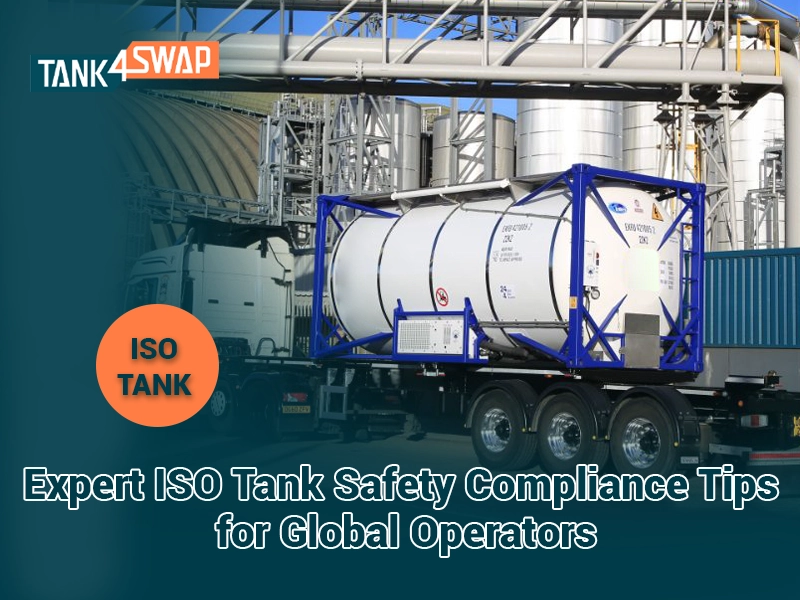
The global logistics industry depends heavily on ISO tanks for transporting liquids, gases, and hazardous materials. Maintaining ISO tank safety compliance tips is not just about following rules — it’s about protecting people, property, and the environment.
What Is an ISO Tank?
An ISO tank is a stainless steel container built to the standards of the International Organization for Standardization (ISO). It’s used to transport bulk liquids under strict safety and efficiency regulations.
Why ISO Tank Safety Matters
ISO tank accidents can cause severe harm, financial loss, and environmental damage. Following safety compliance tips minimizes these risks and ensures legal operations worldwide.
Understanding ISO Tank Standards
ISO tanks must meet ISO 1496, ISO 668, and IMDG Code standards, covering structural integrity, labeling, and inspection intervals.
Key ISO Tank Safety Compliance Tips
Following proper ISO tank safety compliance tips is essential to prevent costly accidents, ensure legal operation, and protect the environment. Here are the five most important principles every operator should live by:
Perform Pre-Trip Inspections:
Before loading, always examine the tank’s frame, valves, and seals. Even minor corrosion or damage can compromise safety and lead to leaks under pressure.
Verify Certification and Data Plate:
Each ISO tank includes a data plate showing inspection dates, capacity, and pressure limits. Never use a tank with expired certification or unclear markings.
Avoid Overfilling:
Tanks should be filled to about 80–85% of capacity to allow for liquid expansion during transport. Overfilling can create dangerous pressure build-up.
Use Proper Loading Techniques:
Ground the tank to prevent static electricity, and ensure hoses are securely attached to avoid spills. Temperature and pressure must remain within approved limits.
Keep Comprehensive Documentation:
Up-to-date inspection, cleaning, and maintenance logs are not optional — they’re part of international safety laws and can be audited at any time.
Global Regulations for ISO Tank Safety
ISO tanks are regulated under international frameworks such as:
ADR (Europe)
IMDG (Maritime)
49 CFR (USA)
RID (Rail Transport)
Each set of regulations outlines specific compliance measures for transportation safety.
How ISO Tank Certification Works
Before use, every ISO tank must pass rigorous inspections by certified agencies. Certification typically includes hydrostatic testing, visual inspection, and data plate verification.
Importance of Regular Inspections
Regular inspection is one of the cornerstone ISO tank safety compliance tips that guarantees ongoing operational integrity. Each inspection ensures the tank can safely handle pressurized or hazardous materials.
Annual Inspections (Intermediate Tests):
These check for valve performance, gasket condition, and structural wear. They confirm that the tank remains fit for use until the next major inspection.
Five-Year Inspections (Periodic Tests):
These are more detailed and include hydrostatic or pneumatic pressure testing, thickness measurement, and internal visual checks. The tank’s data plate is updated after passing.
Benefits of Regular Inspections:
Detects corrosion early
Prevents leaks and contamination
Reduces downtime and insurance costs
Builds trust with clients and regulators
By maintaining a consistent inspection schedule, operators demonstrate a culture of accountability and compliance.
Safe Loading and Unloading Practices
Improper loading and unloading are among the most frequent causes of ISO tank incidents. Following strict ISO tank safety compliance tips during these steps helps prevent spills, overpressure, and human injury.
Grounding the Equipment:
Always ground the tank and transfer system to eliminate static discharge, especially when handling flammable liquids.
Monitor Pressure Levels:
Use calibrated gauges to maintain pressure within the safe range specified by the manufacturer.
Temperature Control:
Heat-sensitive materials can expand rapidly; ensure that ambient and cargo temperatures are monitored continuously.
Personal Protective Equipment (PPE):
Operators should wear gloves, goggles, and flame-resistant clothing to reduce exposure to harmful chemicals.
Emergency Shutdown:
Familiarize all staff with emergency shutdown procedures in case of sudden leaks or hose disconnections.
Common ISO Tank Safety Mistakes
Ignoring inspection schedules
Overfilling tanks
Using incompatible materials
Failing to maintain emergency response kits
Emergency Preparedness and Response
Have a detailed emergency response plan covering:
Fire suppression procedures
Chemical spill containment
Evacuation routes

ISO Tank Maintenance Checklist
| Task | Frequency | Responsible Party |
| Visual inspection | Monthly | Operator |
| Valve check | Before every load | Safety officer |
| Hydro test | Every 5 years | Certified inspector |
| Cleaning | After each use | Service provider |
Pressure Testing and Leak Prevention
Pressure testing is a mandatory part of every ISO tank safety compliance program. It ensures that the tank can withstand its rated working pressure without deformation or leakage.
Hydrostatic Testing:
The tank is filled with water and pressurized above its normal working limit. Inspectors check for leaks, bulges, and pressure drop.
Pneumatic Testing:
Air or inert gas is used instead of water, typically for tanks transporting products that react with moisture.
Leak Detection Methods:
Soap bubble testing
Ultrasonic leak detection
Helium tracer gas method
Leak prevention also includes routine valve maintenance and replacing worn gaskets. A single unnoticed leak can lead to environmental contamination or loss of valuable cargo, making pressure integrity testing non-negotiable.
Materials Compatibility in ISO Tanks
Not all materials are suitable for every tank. Use corrosion-resistant linings for acidic substances and ensure gaskets match the chemical composition.
Documentation and Record-Keeping Compliance
ISO tank safety compliance requires accurate records of:
Inspections
Repairs
Cleaning certificates
Shipping documents
ISO Tank Labeling and Identification Standards
Labeling must include:
UN number
Hazard class symbol
Emergency contact details
Weight and capacity data
Training Requirements for Tank Operators
Personnel must be trained in:
Safe handling procedures
Spill management
Emergency shutdown systems
Global transport regulations
Technological Innovations Enhancing Safety
Modern ISO tanks now include:
Real-time GPS tracking
Smart sensors for pressure and temperature
AI-based leak detection systems
Environmental Considerations for ISO Tanks
Sustainable operations involve:
Using eco-friendly cleaning agents
Preventing leaks into soil or water
Recycling tank components responsibly
Common Safety Equipment Used in ISO Tank Operations
Safety gear includes:
Flame-resistant suits
Gas detectors
Safety valves
Pressure relief devices
ISO Tank Safety in Maritime Transport
Sea transport requires compliance with IMDG Code and SOLAS regulations to prevent spillage and contamination.
Road and Rail ISO Tank Safety Guidelines
Follow DOT and RID standards for tank securing, route planning, and inspection documentation.
ISO Tank Safety Compliance Tips for Chemical Transport
Chemical cargo presents higher risks than non-hazardous materials, making these ISO tank safety compliance tips vital:
-
Chemical Compatibility:
Always confirm that the tank’s inner lining is suitable for the specific chemical. For instance, acids require rubber or PTFE-lined tanks, while food-grade chemicals need stainless steel.
-
Temperature Sensitivity:
Some chemicals require heating or cooling systems to maintain stability. Tanks with steam coils or refrigeration units are ideal for temperature control.
-
Segregation of Incompatible Cargoes:
Never store or transport reactive chemicals near each other. Even vapors mixing can cause explosions or toxic reactions.
-
Special Documentation:
Dangerous Goods Declarations (DGD) must accurately describe the cargo’s properties, hazards, and emergency handling measures.
-
Post-Transport Cleaning:
Thorough cleaning and decontamination after each trip prevent cross-contamination and meet environmental standards.
Adhering to these rules ensures safe handling, protects workers, and keeps operations compliant with global chemical transport laws.
Best Practices for ISO Tank Cleaning and Decontamination
Use certified cleaning stations
Inspect after cleaning
Obtain valid cleaning certificates
Auditing Your ISO Tank Safety Program
Conduct internal audits every six months to evaluate safety procedures and regulatory adherence.
How to Stay Updated on ISO Tank Regulations
Subscribe to updates from:
ISO.org
IMDG Code Amendments
National Transport Authorities
FAQs About ISO Tank Safety Compliance
Q1: How often should ISO tanks be inspected?
Every ISO tank must undergo a full inspection every five years, with intermediate checks annually.
Q2: What are the most common ISO tank safety violations?
Expired certifications, poor maintenance, and improper labeling.
Q3: Can ISO tanks carry food-grade liquids?
Yes, as long as they meet specific food-grade standards and cleaning protocols.
Q4: What’s the difference between ISO tank safety and ADR compliance?
ADR covers European road transport safety, while ISO standards are globally recognized for tank construction and certification.
Conclusion: Building a Culture of ISO Tank Safety
Following these ISO tank safety compliance tips ensures not just regulatory adherence, but also the protection of lives and the environment. A proactive safety culture, regular training, and updated inspections make the difference between safe and risky operations.
Contact TANK4SWAP for Professional Flexi Tank Discharge Solutions
Looking for expert help with your Flexi Tank discharge system?
The TANK4SWAP technical support team is ready to assist you every step of the way! Whether you need guidance on choosing the best discharge method, resolving unloading challenges, or improving operational efficiency, our specialists deliver customized solutions designed for your bulk liquid transport needs.
At TANK4SWAP, we focus on making your Flexi Tank discharge process safe, efficient, and cost-effective. From gravity-based systems to pump-assisted or air-pressurized setups, we provide professional advice to help you maximize liquid recovery, minimize waste, and ensure full compliance with international safety standards.
Why Choose TANK4SWAP?
✔️ Expert Consultation – Tailored recommendations for your specific discharge applications
✔️ Efficiency Enhancement – Strategies to accelerate unloading and reduce product loss
✔️ Trusted Support – Guidance on operational safety, compliance, and industry best practices
📞contact us :
Get in touch with TANK4SWAP today for reliable assistance with your Flexi Tank discharge system and experience a smooth, hassle-free unloading process backed by true professionals.
