
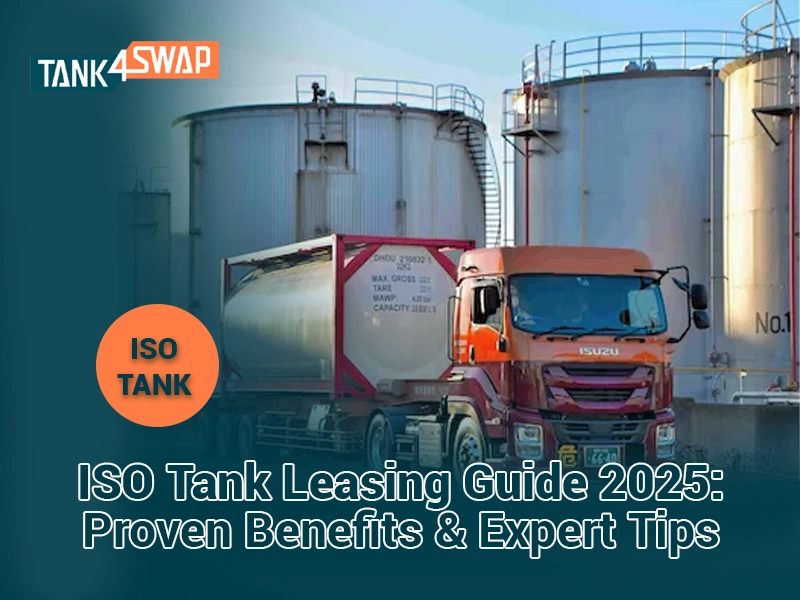
In today’s fast-paced global trade, transporting bulk liquids safely and efficiently is critical. From chemicals and oils to food-grade products, businesses depend on reliable solutions to move their cargo across continents. That’s where ISO tanks come into play, offering a standardized, safe, and cost-effective method of transport. This ISO tank leasing guide explores everything you need to know about leasing options, benefits, risks, and best practices.
Introduction to ISO Tanks and Their Importance
What is an ISO Tank?
An ISO tank, or intermodal tank container, is a standardized vessel designed for transporting bulk liquids, gases, or powders. Built from stainless steel and protected by a durable frame, these tanks comply with international standards set by the International Organization for Standardization (ISO). Their design ensures they can be transported seamlessly by road, rail, or sea without the need for repackaging.
Why Companies Choose ISO Tanks for Bulk Liquid Transport
Compared to drums or flexi-bags, ISO tanks offer higher efficiency, reduced spillage risk, and better safety standards. With capacities ranging from 14,000 to 26,000 liters, they provide the perfect solution for industries like chemicals, food and beverage, oil and gas, and pharmaceuticals.
Understanding ISO Tank Leasing
ISO Tank Leasing vs Buying: Key Differences
Buying an ISO tank requires significant upfront investment and ongoing maintenance. Leasing, on the other hand, offers flexibility and lowers capital expenditure. Leasing is especially ideal for businesses that experience seasonal demand or project-based needs.
Types of ISO Tank Leasing Contracts
There are typically two main contract types:
- Operating Lease: Short-term rental with flexible duration.
- Finance Lease: Longer commitments, often with an option to purchase.
Short-Term vs Long-Term ISO Tank Leasing Guide
- Short-Term Leasing: Best for trial shipments, one-off projects, or seasonal demand.
- Long-Term Leasing: Suited for companies with consistent bulk liquid transport needs, offering better rates and guaranteed availability.
Benefits of ISO Tank Leasing
One of the biggest reasons companies turn to leasing is cost savings. Buying a fleet of ISO tanks involves not only high upfront costs but also long-term expenses such as inspection, cleaning, and repairs. Leasing shifts these responsibilities to the provider, freeing up cash flow for other areas of business.
Leasing also supports scalability. For example, a company that sees a sudden surge in demand can lease additional tanks quickly rather than purchasing them. Likewise, when demand decreases, tanks can simply be returned to the lessor, avoiding idle assets.
From an environmental perspective, ISO tanks are more sustainable compared to disposable packaging. Since they are reusable for decades, they reduce waste and align with green logistics goals.
ISO Tank Leasing Guide: Key Considerations Before Signing a Contract
Signing a lease agreement without careful review can lead to unexpected costs and liabilities. Businesses should always check:
- Tank specifications: Ensure the tank matches the cargo (chemical resistance, food-grade lining, heating/cooling systems).
- Regulatory compliance: Tanks must meet international standards such as IMDG for sea transport or ADR for road.
- Maintenance responsibilities: Clarify whether cleaning and periodic inspections are included or billed separately.
A smart approach is to request a detailed breakdown of services and fees from the leasing provider before finalizing the contract.

Common Challenges and How to Overcome Them
Managing Demurrage and Detention Fees
Extended use beyond the agreed contract can result in heavy charges. Companies should optimize logistics planning and negotiate flexible terms.
Handling Insurance and Liability Issues
Insurance coverage varies among leasing providers. It’s crucial to confirm whether liability for damage, loss, or accidents falls on the lessor or lessee.
Addressing Availability in Peak Seasons
Demand for ISO tanks peaks in certain industries, creating shortages. Planning ahead and securing long-term contracts can help mitigate this risk.
Choosing the Right ISO Tank Leasing Provider
Top Qualities to Look For in a Leasing Company
- Strong global presence
- Modern and well-maintained fleet
- Transparent pricing policies
Evaluating Customer Support and Global Network
A reliable leasing partner offers 24/7 support and ensures tank availability at major trade hubs worldwide.
Comparing Costs and Hidden Fees
Always request a breakdown of costs, including hidden charges such as repositioning fees, inspection costs, and cleaning.
Case Studies and Industry Applications
Chemical Industry Success Stories
Many chemical manufacturers prefer leasing ISO tanks to manage global exports without heavy investment in fleets.
Food and Beverage Applications
From wine to edible oils, ISO tanks maintain product integrity and safety during long-distance transport.
Oil, Gas, and Energy Logistics
In the energy sector, leasing ISO tanks allows companies to manage volatile market demands efficiently.
Future Trends in ISO Tank Leasing
The industry is moving toward digitalization and sustainability. Leasing providers are increasingly equipping tanks with IoT sensors that monitor temperature, pressure, and location in real time. This improves safety, reduces delays, and enhances transparency.
Sustainability is another major trend. As global regulations tighten, many providers are investing in eco-friendly fleets with improved insulation, reduced emissions during cleaning, and better energy efficiency. Businesses that partner with such providers not only meet compliance requirements but also strengthen their brand image in terms of environmental responsibility.
FAQs on ISO Tank Leasing
Q1. What is the average cost of ISO tank leasing?
Leasing costs vary by duration, tank type, and region. On average, rates range from $15 to $30 per day.
Q2. How long can I lease an ISO tank?
Lease terms range from a few weeks (short-term) to several years (long-term), depending on your needs.
Q3. Are ISO tanks safe for food products?
Yes, specialized food-grade ISO tanks with proper linings and certifications ensure product safety.
Q4. Can I lease an ISO tank globally?
Absolutely. Most leasing providers operate fleets across major ports worldwide.
Q5. Who handles the cleaning of leased ISO tanks?
This depends on the contract. Some providers handle cleaning, while others expect the lessee to cover it.
Q6. What happens if an ISO tank is damaged during the lease?
Responsibility depends on the insurance and contract terms. It’s essential to review liability clauses carefully.
Conclusion: Why an ISO Tank Leasing Guide is Essential for Modern Logistics
The global shipping industry is evolving, and businesses must find cost-effective, safe, and sustainable ways to move bulk liquids. Leasing ISO tanks offers the flexibility to scale operations, reduce capital costs, and ensure compliance with international standards. With this ISO tank leasing guide, companies now have the insights needed to make informed decisions, minimize risks, and maximize efficiency.
Get Expert Flexi Tank Discharge Support from TANK4SWAP
Looking for professional help with your Flexi Tank discharge system? The TANK4SWAP team is ready to assist! Whether you need advice on selecting the most suitable discharge method, resolving unloading challenges, or boosting overall efficiency, our specialists deliver customized solutions for every bulk liquid transport requirement.
At TANK4SWAP, we prioritize safety, efficiency, and cost-effectiveness in every Flexi Tank discharge operation. From gravity flow to pump-assisted or air-pressurized systems, our experts provide step-by-step guidance to help you maximize liquid recovery while minimizing waste.
Why Partner with TANK4SWAP?
✔️ Specialized Expertise – Tailored recommendations for your unique discharge needs
✔️ Efficiency Focused – Proven methods to speed up unloading and cut down losses
✔️ Trusted Support – Clear guidance on safety standards, compliance, and best practices
📞contact us :
Get in touch with TANK4SWAP today for expert Flexi Tank discharge solutions and experience a seamless, worry-free unloading process.
