
When it comes to international logistics, ISO tanks play a crucial role in transporting bulk liquids safely and efficiently. But before any shipment can move, a clear set of ISO tank documentation requirements must be met. These documents not only ensure smooth customs clearance but also guarantee safety, compliance with international regulations, and proper cargo handling.
What is an ISO Tank?
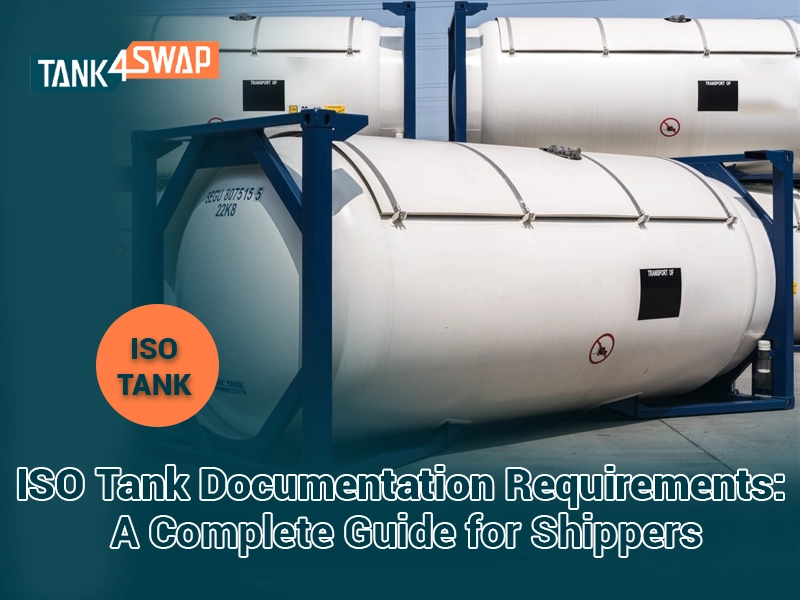
An ISO tank, or tank container, is a standardized vessel designed for transporting hazardous and non-hazardous liquids across road, rail, and sea. They are built according to International Organization for Standardization (ISO) standards.
Why Documentation Matters for ISO Tank Shipping
Documentation is the backbone of global trade. Without the right papers, shipments face delays, penalties, or even outright rejection at ports. For ISO tanks, the stakes are higher because they often carry chemicals, fuels, and food-grade liquids.
Key ISO Tank Documentation Requirements
Below are the essential documents needed for ISO tank shipments:
-
Bill of Lading (B/L)
- Confirms the contract between shipper and carrier.
- Serves as proof of shipment.
-
Commercial Invoice
- Details transaction value for customs purposes.
- Includes buyer, seller, and cargo details.
-
Packing List
- Lists contents, weight, and measurements of the cargo.
- Helps during customs inspection.
-
Certificate of Origin (COO)
- Proves where the cargo originated.
- Required for preferential tariffs.
-
Material Safety Data Sheet (MSDS)
- Mandatory for hazardous chemicals.
- Lists handling and emergency instructions.
-
Dangerous Goods Declaration (DGD)
- Required under IMO regulations.
- Ensures compliance with IMDG Code.
-
Cleaning Certificate
- Confirms the tank was professionally cleaned.
- Crucial for food-grade or chemical-to-chemical transitions.
-
Insurance Certificate
- Protects against financial loss from damage or accidents.
Essential Documents Needed for Transporting Hazardous Cargo in ISO Tanks
Hazardous cargo requires the highest level of compliance because it poses significant risks to people, property, and the environment. Any mistake in paperwork can lead to accidents, heavy penalties, or rejection at ports.
Key aspects include:
- Dangerous Goods Declaration (DGD): This document, required by the International Maritime Dangerous Goods (IMDG) Code, lists the exact classification of the hazardous substance, UN number, packing group, and handling instructions.
- Material Safety Data Sheet (MSDS): Provides detailed safety and handling procedures, including emergency response steps in case of spillage or leakage.
- Labels & Placards: Tanks must display proper hazard symbols (flammable, toxic, corrosive, etc.) in accordance with international regulations.
- Emergency Response Information (ERI): Carriers need access to emergency guidelines during transit.
👉 In short, hazardous cargo documentation ensures safety and compliance with international laws, protecting both people and cargo.
ISO Tank Documentation Requirements for Non-Hazardous Cargo
Although non-hazardous cargo like edible oils, juices, and food-grade chemicals seems simpler, it still requires strict documentation. Authorities want to ensure that tanks carrying consumables meet hygiene and quality standards.
Important documents include:
- Cleaning Certificate: Proves the tank has been cleaned with approved methods before loading new cargo. This is crucial for food-grade shipments to avoid contamination.
- Food Safety Compliance Certificates: Some countries require additional certification for consumables (for example, FDA approval in the U.S.).
- Standard Shipping Papers: Such as Bill of Lading, Commercial Invoice, and Packing List.
👉 Even though non-hazardous cargo doesn’t need a DGD, missing a Cleaning Certificate can still stop a shipment at customs.
Customs Documentation for ISO Tanks
Customs clearance is one of the biggest challenges in international logistics. If documentation isn’t accurate, tanks can sit idle at ports, causing demurrage costs and delays.
Typical customs requirements:
- Import/Export Licenses: Some countries demand special licenses for chemicals or food-grade liquids.
- HS Code Classification: Goods must be categorized correctly under Harmonized System codes for duty and tax calculation.
- Customs Declaration Forms: Provide details about cargo, value, and shipper/consignee information.
👉 A small mistake in customs paperwork can delay shipments by weeks, so many companies rely on customs brokers to handle the process.
Regulatory Bodies Overseeing ISO Tank Documentation
- International Maritime Organization (IMO).
- International Organization for Standardization (ISO).
- International Air Transport Association (IATA).
- National Customs Authorities.

ISO Tank Documentation for Multimodal Transport
Since ISO tanks often travel by road, rail, and sea, each leg may require:
- Road consignment note (CMR).
- Rail waybill.
- Ocean Bill of Lading.
Common Challenges with ISO Tank Documentation
- Incomplete paperwork causing shipment delays.
- Misdeclared hazardous materials.
- Missing cleaning or inspection certificates.
Best Practices for Managing Paperwork When Shipping Hazardous Materials by ISO Tank
Meeting ISO tank documentation requirements consistently requires a proactive approach. Some best practices include:
- Double-Check Hazardous Cargo Papers – Ensure DGD matches the MSDS exactly. Any inconsistency can raise red flags.
- Use Digital Solutions – Cloud-based systems reduce errors and provide quick access to shipping records.
- Work with Certified Forwarders – Experienced logistics providers understand country-specific regulations.
- Maintain a Documentation Checklist – Before dispatching an ISO tank, confirm that all necessary certificates, invoices, and permits are attached.
👉 Following these practices saves time, reduces errors, and prevents costly shipment delays.
Digital Solutions for ISO Tank Documentation
The logistics industry is moving toward paperless operations:
- Electronic Bills of Lading (eB/L).
- Cloud-based customs clearance.
- Real-time cargo tracking linked with digital documentation.
ISO Tank Documentation Compliance Checklist
Before shipping, ensure you have:
✅ Bill of Lading
✅ Commercial Invoice
✅ Packing List
✅ Certificate of Origin
✅ MSDS (for hazardous cargo)
✅ Dangerous Goods Declaration
✅ Cleaning Certificate
✅ Insurance Certificate
Case Study: ISO Tank Documentation in Chemical Shipping
A European chemical manufacturer avoided $50,000 in port demurrage by ensuring its MSDS and DGD were correctly aligned with IMDG Code standards before shipment.
Future Trends in ISO Tank Documentation
- Blockchain-based trade documents.
- Universal digital customs platforms.
- AI-assisted compliance checks.
Frequently Asked Questions
-
What documents are mandatory for ISO tank shipments?
At minimum, you need a Bill of Lading, Commercial Invoice, Packing List, and Certificate of Origin. For hazardous cargo, add MSDS and Dangerous Goods Declaration.
-
Why is a Cleaning Certificate important in ISO tank shipping?
It ensures tanks are sanitized and safe for carrying new cargo, especially food-grade or sensitive chemicals.
-
Who regulates ISO tank documentation requirements?
Primarily the IMO, ISO, IATA, and national customs authorities.
-
Can ISO tank documentation be digital?
Yes, many carriers and freight forwarders now accept electronic bills of lading and digital customs paperwork.
-
What happens if ISO tank documents are missing or incorrect?
Shipments may be delayed, fined, or denied entry at ports. In hazardous cargo cases, legal consequences may also follow.
Conclusion
Meeting ISO tank documentation requirements isn’t just about paperwork—it’s about safety, compliance, and efficiency. By ensuring every certificate and declaration is complete, accurate, and compliant with international regulations, shippers can avoid costly delays and guarantee smooth global trade. As digitalization advances, ISO tank documentation will become faster, smarter, and even more secure.
Contact TANK4SWAP for Professional Flexi Tank Solutions
Are you searching for reliable Flexi Tank solutions to streamline your bulk liquid transportation? At TANK4SWAP, we specialize in helping businesses choose the right Flexi Tank, navigate logistics, and maximize cost efficiency—while addressing any technical challenges along the way.
Our dedicated team of industry experts provides personalized guidance to ensure your shipments are safe, efficient, and economical. With global reach and years of experience, TANK4SWAP supplies premium Flexi Tanks designed for a wide range of industries, including food-grade liquids, chemicals, and industrial oils.
Why Partner with TANK4SWAP?
✔️ Tailored Consultation – Get expert advice customized to your specific cargo needs.
✔️ Dependable Support – Our specialists are always ready to assist with logistics and technical queries.
✔️ Affordable Solutions – Reduce transportation costs with durable, high-quality Flexi Tanks.
📞 contact us :
Get in touch with TANK4SWAP today and let our professionals help you find the ideal Flexi Tank solution for your business.
