
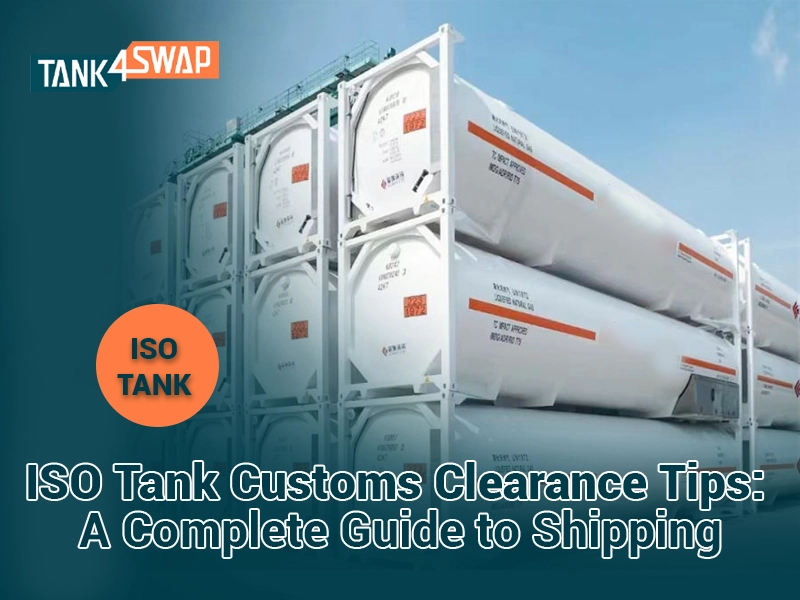
ISO tanks are the backbone of global liquid cargo transportation, especially for chemicals, food-grade liquids, and hazardous materials. However, navigating customs clearance can be tricky if you’re unfamiliar with regulations. This guide covers everything you need to know, including practical ISO tank customs clearance tips to make the process smoother and cost-efficient.
-
What Is an ISO Tank?
An ISO tank is not just any container—it’s a standardized transport unit built from stainless steel and protected by an insulation layer. Its design allows it to safely carry liquids, gases, and hazardous materials across multiple modes of transport (road, rail, and sea) without needing to unload and reload cargo.
- Capacity: Usually ranges from 14,000 to 26,000 liters.
- Advantages: Reusable, durable, and cost-efficient compared to drums or flexi tanks.
- Industries using ISO tanks: Chemicals, food & beverages, pharmaceuticals, and energy sectors.
-
Why Customs Clearance Matters for ISO Tanks
Customs clearance is a legal checkpoint every shipment must pass. For ISO tanks, it ensures:
- Cargo Safety: Prevents illegal or unsafe goods from entering a country.
- Cost Control: Avoids heavy fines due to Undeclared goods.
- Efficiency: Smooth clearance reduces storage charges at ports.
Without proper clearance, an ISO tank could be held for weeks, leading to losses in thousands of dollars.
-
Key Documents Required for ISO Tank Customs Clearance
Paperwork is the backbone of smooth customs operations. Each document has a unique role:
- Bill of Lading (B/L): Proof of shipment ownership.
- Commercial Invoice: Declares cargo value for duty calculation.
- Certificate of Origin: Helps determine tariff rates.
- MSDS (Material Safety Data Sheet): Especially important for hazardous cargo.
Tip: Always keep digital backups of documents to avoid last-minute issues.
-
ISO Tank Customs Clearance Tips for Faster Processing
Practical strategies that save time:
- Submit pre-alerts to brokers and customs officers before arrival.
- Cross-check HS codes to avoid wrong classification.
- Digitize all paperwork—many ports now prefer e-documents.
- Work with specialized brokers who know ISO tank regulations.
- Prepare for random inspections by ensuring tanks are clean, sealed, and labeled.
-
Common Challenges in ISO Tank Customs Clearance
Even experienced shippers face hurdles:
- Documentation errors: A missing HS code or signature can delay clearance.
- Compliance issues: Hazardous cargo requires strict labeling.
- Different regulations by country: What’s legal in Europe may not be in Asia.
Solution? Standardize internal processes and work with global logistics experts.
-
ISO Tank Customs Clearance Tips for Hazardous Cargo
Hazardous cargo faces stricter scrutiny because of safety risks. Key measures include:
- IMDG Code compliance: Ensures maritime safety.
- Proper UN number labeling: Identifies hazardous substances correctly.
- Emergency instructions: Customs may require contingency plans.
Shippers who fail to meet these rules risk heavy penalties or even cargo rejection.

-
Food-Grade ISO Tanks: Customs Requirements
Food-grade cargo (like edible oils, juices, or dairy products) faces unique rules:
- Sanitary certificates: Prove the cargo is safe for consumption.
- Tank cleaning records: Customs often ask for proof that tanks are sanitized before loading.
- Temperature monitoring: Some cargo requires cold-chain documentation.
Mistakes here could mean quarantine delays and product spoilage.
-
Cost-Saving ISO Tank Customs Clearance Tips
Clearing ISO tanks can be expensive, but smart strategies help reduce costs:
- Use bonded warehouses: Delay duty payments until final clearance.
- Bundle shipments: Consolidating cargo lowers customs handling fees.
- Leverage FTAs (Free Trade Agreements): Reduces tariffs for certain trade lanes.
- Negotiate with brokers: Long-term contracts often come with discounts.
-
Red Flags That Trigger Customs Delays
Customs officers look for irregularities. Some common red flags include:
- Vague cargo descriptions like “liquid product” instead of “ethanol.”
- Under-invoicing: Declaring a cargo value lower than reality.
- Improper labeling: Especially dangerous for chemicals.
Being transparent and precise avoids unnecessary scrutiny.
-
Future of ISO Tank Customs Clearance
The future is digital and automated:
- Block chain: Creates tamper-proof documentation trails.
- Artificial Intelligence: Predicts clearance bottlenecks.
- IoT sensors on tanks: Provide real-time cargo condition data.
These innovations will reduce human error, speed up clearance, and enhance global trade transparency.
-
Choosing the Right Customs Broker for ISO Tanks
A customs broker is the bridge between your shipment and the customs authority. Choosing the right one is one of the most important decisions you’ll make:
- Expertise in ISO Tanks: Not all brokers are familiar with liquid bulk cargo. Some specialize in containers, while others focus on hazardous materials. Always pick one with proven experience in ISO tanks.
- Global Network: Since ISO tanks often move across multiple borders, a broker with international offices or partnerships ensures smoother clearance.
- Technology Adoption: Modern brokers use electronic filing systems, which reduce human errors and speed up clearance.
- Communication: A responsive broker can resolve customs queries within hours instead of days.
👉 Pro tip: Before signing a contract, request case studies or references from previous clients in the chemical or food industry. This ensures the broker has real-world experience with the type of cargo you ship.
-
Environmental Considerations in ISO Tank Clearance
Customs officers don’t just check paperwork—they also ensure your cargo meets environmental protection standards. ISO tanks carrying liquids can pose environmental hazards if leaks occur. That’s why clearance involves extra checks:
- Spill Prevention Plans: Many countries require proof that your company has measures in place to handle accidental leaks.
- Waste Disposal Certificates: If your ISO tank contains hazardous residues, you must show evidence of safe disposal methods.
- Green Regulations: The EU and other regions enforce strict environmental laws, especially for chemicals. Non-compliance can result in cargo being turned away at the port.
- Sustainability Benefits: Companies that meet eco-standards often enjoy faster clearance and better relationships with customs authorities.
👉 by prioritizing environmental compliance, shippers not only protect the planet but also avoid costly penalties and boost their reputation in global trade.
FAQs about ISO Tank Customs Clearance
Q1: What is the most important document for ISO tank customs clearance?
The Bill of Lading and HS codes are crucial for accurate clearance.
Q2: How long does ISO tank clearance usually take?
It varies by country—typically 2–7 business days if documents are correct.
Q3: Can I clear ISO tanks without a customs broker?
It’s possible but not recommended. Brokers minimize risks and speed up the process.
Q4: What happens if my ISO tank cargo is misdeclared?
You may face fines, shipment delays, or confiscation.
Q5: Are food-grade ISO tanks subject to stricter customs checks?
Yes, additional sanitary and health certificates are often required.
Conclusion
Clearing ISO tanks through customs doesn’t have to be stressful. With the right knowledge, preparation, and a few smart ISO tank customs clearance tips, businesses can save time, reduce costs, and avoid unnecessary complications. Staying updated on global regulations and working closely with experienced brokers ensures your cargo flows smoothly across borders.
Contact TANK4SWAP for Professional Flexi Tank Discharge Support
Looking for reliable solutions to manage your Flexi Tank discharge process? The dedicated team at TANK4SWAP is ready to assist. Whether you need expert advice on choosing the right discharge method, overcoming unloading challenges, or improving operational efficiency, our specialists deliver tailored support designed for bulk liquid logistics.
At TANK4SWAP, we prioritize safety, efficiency, and cost-effectiveness. From gravity discharge to pump-assisted or air-pressurized systems, our experts provide step-by-step guidance to help you achieve maximum liquid recovery while reducing waste.
Why Partner with TANK4SWAP?
✔️ Specialized Expertise – Customized recommendations to match your discharge requirements
✔️ Efficiency Gains – Proven methods to speed up unloading and minimize product loss
✔️ Trusted Guidance – Support on safety, compliance, and industry best practices
📞contact us :
Get in touch with TANK4SWAP today for professional Flexi Tank discharge solutions and ensure a smooth, trouble-free unloading experience.
