
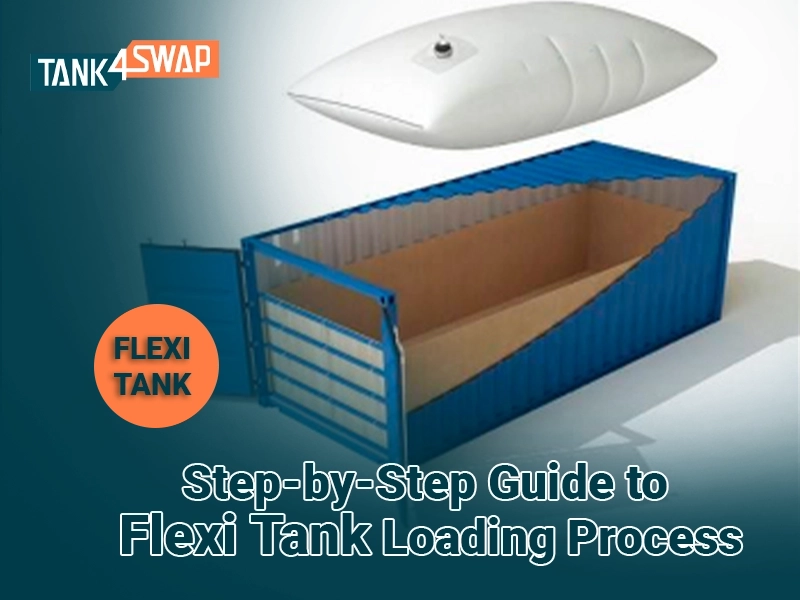
Flexi Tank Loading Process Guide: A Comprehensive Step-by-Step Tutorial
Flexi tanks have revolutionized the logistics and transportation industry, offering a cost-effective and efficient solution for bulk liquid transportation. Whether you’re shipping food-grade liquids, chemicals, or pharmaceuticals, understanding the Flexi tank loading process is crucial to ensure safety, compliance, and efficiency. In this guide, we’ll walk you through the entire Flexi tank loading process, answer frequently asked questions, and provide actionable tips to optimize your operations.
What is a Flexi Tank?
A Flexi tank is a large, flexible container made from multilayer polyethylene and polypropylene materials. It is designed to transport non-hazardous liquids in standard 20-foot shipping containers. Flexi tanks are a popular alternative to traditional drums or ISO tanks due to their cost-effectiveness, ease of use, and ability to maximize container space.
The Flexi Tank Loading Process: Step-by-Step Guide
-
Pre-Loading Preparation
- Inspect the Flexi Tank: Before loading, carefully inspect the Flexi tank for any damages, such as tears, punctures, or leaks. Ensure the tank is clean and free from contaminants.
- Check the Container: Inspect the shipping container for sharp edges, debris, or moisture that could damage the Flexi tank.
- Verify Compatibility: Ensure the liquid being transported is compatible with the Flexi tank material to avoid chemical reactions or degradation.
-
Positioning the Flexi Tank
- Lay the Base: Place a protective liner or plywood sheet on the container floor to prevent punctures.
- Unfold the Flexi Tank: Carefully unfold the Flexi tank inside the container, ensuring it is centered and aligned properly.
- Secure the Tank: Attach the tank’s straps or hooks to the container’s anchoring points to keep it stable during transit.
-
Loading the Liquid
- Connect the Filling Hose: Attach the filling hose to the Flexi tank’s inlet valve securely.
- Begin Loading: Start pumping the liquid into the tank at a controlled rate to avoid overpressure or stress on the tank walls.
- Monitor the Process: Continuously monitor the filling process to ensure there are no leaks or spills.
-
Post-Loading Steps
- Seal the Tank: Once the tank is filled, securely close the inlet valve and disconnect the filling hose.
- Check for Leaks: Inspect the tank and connections for any signs of leakage.
- Documentation: Ensure all necessary documentation, such as shipping manifests and safety data sheets, is prepared and attached.
-
Transportation and Unloading
- Secure the Container: Close and seal the shipping container, ensuring it is properly labeled and marked.
- Unloading Process: At the destination, follow a reverse process to unload the liquid safely and dispose of the Flexi tank responsibly.
Benefits of Using Flexi Tanks
- Cost-Effective: Flexi tanks are more affordable than traditional ISO tanks.
- Space Optimization: They maximize container space, allowing for higher volumes of liquid transport.
- Eco-Friendly: Flexi tanks are single-use and recyclable, reducing environmental impact.
- Versatility: Suitable for a wide range of non-hazardous liquids, including food-grade products.
Frequently Asked Questions (FAQs)
-
What types of liquids can be transported in Flexi tanks?
Flexi tanks are suitable for non-hazardous liquids such as edible oils, wines, juices, chemicals, and pharmaceuticals. Always check compatibility before loading.
-
How much liquid can a Flexi tank hold?
A standard Flexi tank can hold up to 24,000 liters (6,340 gallons) of liquid, depending on the container size and liquid density.
-
Are Flexi tanks reusable?
No, Flexi tanks are designed for single use to prevent contamination and ensure safety.
-
What are the common challenges in the Flexi tank loading process?
Common challenges include improper positioning, overfilling, and failure to inspect the tank or container beforehand.
-
How do I dispose of a used Flexi tank?
Used Flexi tanks should be recycled or disposed of according to local regulations. Many suppliers offer recycling programs.
Tips for a Successful Flexi Tank Loading Process
- Always follow the manufacturer’s guidelines for loading and unloading.
- Train your staff on proper handling and safety procedures.
- Use high-quality Flexi tanks from reputable suppliers to avoid defects.
- Regularly inspect and maintain your equipment to ensure smooth operations.
Conclusion
The Flexi tank loading process is a critical operation that, when executed correctly, can significantly enhance the efficiency and safety of bulk liquid transportation. By following the detailed steps outlined in this guide—ranging from pre-loading inspections to post-loading checks—you can minimize risks, avoid costly mistakes, and ensure a seamless workflow. Flexi tanks offer a cost-effective, eco-friendly, and versatile solution for transporting non-hazardous liquids, making them an excellent choice for businesses in industries such as food and beverage, chemicals, and pharmaceuticals.
However, even with the best preparation, challenges can arise. Whether you’re dealing with compatibility concerns, loading technicalities, or disposal questions, having a reliable partner like TANK4SWAP can make all the difference. Their expert support team is equipped to provide tailored solutions, answer your questions, and help you optimize your Flexi tank operations.
By implementing the best practices shared in this guide and leveraging the expertise of TANK4SWAP, you’ll not only streamline your Flexi tank loading process but also elevate your overall logistics performance. For any further assistance or inquiries, don’t hesitate to contact TANK4SWAP—your trusted partner in efficient and safe liquid transportation.
By following this guide, you’ll not only improve your Flexi tank loading process but also enhance your overall logistics operations. If you have any additional questions, encounter challenges, or need further assistance, don’t hesitate to reach out to the expert support team at TANK4SWAP. Their dedicated professionals are available to provide guidance, troubleshoot issues, and ensure your liquid transportation process runs smoothly and efficiently. Contact TANK4SWAP today for reliable solutions and exceptional customer service!
