
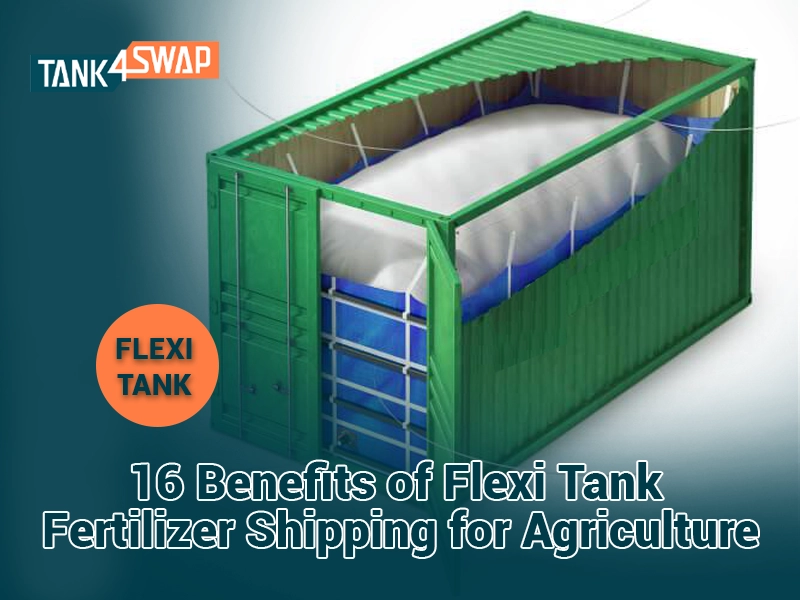
In the ever-evolving landscape of agricultural logistics, Flexi Tank fertilizer shipping has emerged as a groundbreaking solution for transporting bulk liquid fertilizers. As global farming operations expand and demand for liquid fertilizers grows, the need for efficient, cost-effective, and environmentally-friendly shipping methods becomes more pressing. Flexi tanks are changing the game, offering a unique combination of practicality, affordability, and sustainability. This article explores every aspect of this shipping method, from benefits and installation to safety tips and common mistakes.
What is a Flexi Tank and How Does it Work?
A Flexi Tank, often referred to as a “flexitank,” is a soft, collapsible bladder made from multilayer polyethylene and reinforced with an outer layer of woven polypropylene. Designed to fit inside standard 20-foot containers, these tanks are specifically used for transporting non-hazardous liquids, including fertilizers.
Working Mechanism:
- Installed inside a container
- Holds up to 24,000 liters of liquid
- Fills via an upper valve; discharges via a bottom valve
- Collapses flat when empty, allowing easy disposal or recycling
Their adaptability and ease of installation make them especially ideal for one-way shipments, such as exporting fertilizers from manufacturing hubs to distant agricultural markets.
Benefits of Flexi Tank Fertilizer Shipping
Here’s why businesses are shifting from traditional drums and ISO tanks to Flexi Tank fertilizer shipping:
✔️ Cost-Effective
- Eliminates return shipping costs
- No need for cleaning or rental fees
- Reduces labor and handling expenses
✔️ High Volume Capacity
- Transports up to 24,000 liters in one container
- Increases shipping efficiency by over 30%
✔️ Lightweight and Durable
- Weighs less than ISO tanks
- Strong enough to handle diverse fertilizer viscosities
✔️ Environmentally Friendly
- Fewer containers needed per shipment
- Recyclable materials reduce plastic waste
Types of Fertilizers Suitable for Flexi Tank Use
Not all fertilizers are the same. The ones best suited for flexi tanks are typically liquid-based, including:
- UAN (Urea Ammonium Nitrate)
- Liquid nitrogen
- Potassium-based solutions
- Phosphoric acid blends
Both organic and synthetic liquid fertilizers can be shipped using flexi tanks, provided they are non-corrosive and within acceptable pH levels.
Flexi Tank vs Traditional Shipping Methods
| Shipping Method | Capacity | Reusable? | Cost per Liter | Ease of Use |
| Drums | ~200 liters each | Yes | High | Moderate |
| IBC Totes | ~1,000 liters | Yes | Medium | Moderate |
| ISO Tanks | ~26,000 liters | Yes | High (rental fees) | Complex |
| Flexi Tanks | Up to 24,000L | No (disposable or recyclable) | Lowest | Easy |
Compared to other shipping methods, Flexi Tank fertilizer shipping provides the best balance of capacity, affordability, and convenience.
How to Prepare Fertilizer for Flexi Tank Transport
Before loading fertilizers into a flexi tank, proper preparation is key:
- Filter the fertilizer to eliminate particles
- Measure viscosity to ensure flow through the valves
- Preheat (if necessary) depending on fluid type
- Avoid corrosive substances unless using specialty tanks
Following these steps prevents clogging, leakage, and ensures the product arrives in optimal condition.
Logistics Considerations in Flexi Tank Fertilizer Shipping
Shipping fertilizers across borders requires logistical precision. Here’s what to consider:
- Container Compatibility: Standard 20-foot containers are ideal
- Regulatory Compliance: Varies by country; check import laws
- Route Planning: Select efficient paths with minimal transit time
- Weight Restrictions: Ensure the filled tank meets local axle load limits
Flexi Tank Compatibility with Global Shipping Standards
Flexi tanks must comply with international shipping regulations, such as:
- ISO 9001 certified production
- COA (Container Owners Association) approval
- Customs declaration requirements
- Marine cargo standards
Choosing COA-compliant flexi tanks ensures smoother customs clearance and reduced legal risk.

Risks and Safety Measures in Fertilizer Shipping
While Flexi Tank fertilizer shipping is generally safe, there are risks:
🚨 Common Risks:
- Spillage from valve failure
- Contamination from improper cleaning
- Incompatibility with certain chemicals
✅ Safety Measures:
- Use liners and barrier films
- Employ trained installation teams
- Avoid overfilling or pressurized pumping
Flexi Tank Installation Process for Fertilizer Loads
Installing a flexi tank is straightforward but requires attention to detail:
- Inspect the container for damage or holes
- Lay protective material (cardboard or foam) inside the walls and floor
- Unfold and spread the tank
- Secure all fittings and valves
- Begin slow fill, checking for leaks
Installation typically takes less than one hour when performed by trained staff.
Environmental Impact of Flexi Tank Fertilizer Shipping
Flexi tanks have a significantly lower environmental footprint than traditional packaging methods:
- Fewer containers per shipment = reduced fuel usage
- Lower plastic consumption than drums or IBCs
- Easy to recycle after single use
- Minimal wastewater generation
This makes them a popular choice for companies seeking to improve ESG (Environmental, Social, and Governance) performance.
Cost Analysis: Flexi Tank vs Other Shipping Options
When evaluating shipping cost per liter, flexi tanks outperform alternatives:
| Method | Average Cost/Liter | Handling Cost | Cleaning Fee |
| Drums | $0.15 | High | Yes |
| ISO Tanks | $0.12 | Moderate | Yes |
| Flexi Tanks | $0.08 | Low | No |
The upfront savings and lack of recurring costs make flexi tanks highly attractive for budget-conscious operations.
Global Market Trends in Flexi Tank Fertilizer Shipping
According to industry data, the flexi tank market is growing at over 10% CAGR, especially in agricultural hubs such as:
- India
- Brazil
- Australia
- United States
With rising demand for liquid fertilizer and growing export markets, Flexi Tank fertilizer shipping is poised for long-term growth.
Choosing the Right Flexi Tank Supplier for Fertilizers
When selecting a supplier, prioritize:
- COA certification
- Tank durability and layering
- Fast delivery times
- 24/7 support
- Customization options
Brands like Büscherhoff, MYFlexitank, and Trust Flexitank are known for their reliability.
Common Mistakes in Flexi Tank Fertilizer Shipping
Avoid these common pitfalls:
- Overfilling the tank beyond capacity
- Using non-compatible fertilizers
- Improper installation
- Ignoring local shipping laws
- Reusing tanks improperly
Training your logistics team can eliminate these issues entirely.
FAQs on Flexi Tank Fertilizer Shipping
- What is the maximum capacity of a flexi tank for fertilizer?
Up to 24,000 liters, depending on fluid density and regulations. - Are flexi tanks reusable?
Typically, they are designed for one-time use, though some models offer recyclability. - Can all fertilizers be shipped in flexi tanks?
No, only non-hazardous, liquid fertilizers with compatible pH and viscosity. - Do I need special permits to use flexi tanks?
Generally no, but some countries may require documentation for agricultural products. - What are the temperature limitations?
Most flexi tanks can handle 0°C to 60°C. Consult the manufacturer for specifics. - Is Flexi Tank fertilizer shipping allowed for international trade?
Yes, as long as international and local regulations are followed.
Conclusion: Why Flexi Tank Fertilizer Shipping is the Future
Flexi Tank fertilizer shipping is not just a cost-saving trend—it’s a logistics revolution. It addresses the challenges of fertilizer transportation with smarter, safer, and more sustainable solutions. Whether you’re a distributor, farmer, or global exporter, adopting flexi tanks could drastically improve your operational efficiency and environmental footprint. With global acceptance, increasing demand, and continued innovations, the future of liquid fertilizer logistics lies in flexible, scalable shipping methods.
Connect with TANK4SWAP for Trusted Flexi Tank Fertilizer Shipping Solutions
Are you in search of dependable Flexi Tank solutions? Whether you’re navigating the selection process, exploring cost-saving logistics, or troubleshooting technical challenges, TANK4SWAP is your go-to partner.
Our experienced team offers hands-on guidance tailored to your specific shipping needs—ensuring every bulk liquid transport is efficient, secure, and economical. From fertilizers and food-grade liquids to chemicals and industrial oils, we deliver high-performance Flexi Tanks engineered for a wide range of industries and global markets.
Why Partner with TANK4SWAP?
✔️ Expert Guidance – Get custom recommendations tailored to your liquid cargo specifications
✔️ Reliable Customer Support – Technical help and logistics assistance available whenever you need it
✔️ Cost-Effective Transport Solutions – Maximize efficiency with competitively priced, top-quality Flexi Tanks
📞contact us :
Reach out to TANK4SWAP today and let our experts help you streamline your fertilizer and bulk liquid shipping strategy with the perfect Flexi Tank solution!
