
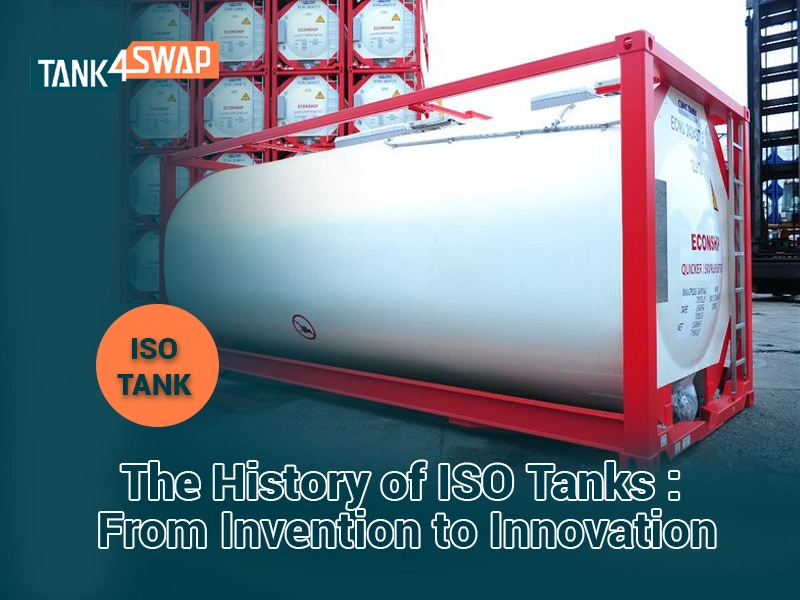
Introduction to the History of ISO Tanks
The history of ISO tanks traces back to the global need for safer, more efficient transportation of liquids and gases. Over time, industries realized that traditional drums and barrels lacked consistency in safety and capacity. ISO tanks solved this problem by providing standardized steel containers designed for international shipping. This innovation eventually transformed logistics across multiple sectors.
Early Transportation Challenges Before ISO Tanks
Before ISO tanks were invented, companies relied heavily on wooden barrels and metal drums that posed significant leakage and contamination risks. Handling and storing these methods was highly inefficient, especially for hazardous materials. The world needed a better, standardized solution. These early challenges set the stage for the invention of ISO tanks in the mid-20th century.
The Birth of Containerization
Containerization emerged in the 1950s and changed global transportation forever. It introduced uniform steel containers that could be stacked, shipped, and moved easily. This new system helped reduce labor costs and streamline shipping operations. ISO tanks later adopted this containerization concept to revolutionize liquid transport.
The First ISO Tank Prototypes
The earliest ISO tank prototypes appeared in the 1960s as engineers experimented with cylindrical stainless-steel vessels fitted inside standard shipping frames. These prototypes were strong, corrosion-resistant, and compatible with emerging container ports. Although the first models were simple, they quickly proved effective for long-distance chemical transport.
Standardization and the Official ISO Approval
In the 1970s, the International Organization for Standardization (ISO) created guidelines for tank container size, strength, and safety. These rules established global consistency and enabled ISO tanks to be transported on ships, trains, and trucks. Standardization marked a turning point that accelerated adoption across industries worldwide.
Expansion of Chemical and Petrochemical Shipping
With official ISO standards in place, major chemical and petrochemical companies began embracing ISO tanks. They allowed safer long-distance movement of hazardous liquids like acids and solvents. This expansion also drove innovations in tank coatings, pressure systems, and safety features that shaped the future of modern tank containers.
Global Adoption of ISO Tanks in the 1980s
By the 1980s, ISO tanks had become essential in international trade. Shipping carriers expanded their fleets to include dedicated tank container vessels. The containers’ durability and reusability made them cost-effective for companies operating globally. As a result, ISO tanks gradually replaced older storage and transport methods.
Technological Improvements in the 1990s
The 1990s brought significant advancements in insulation, pressure control, and temperature management. These improvements made ISO tanks suitable for cryogenic liquids, food-grade products, and specialty chemicals. Manufacturers also began using advanced stainless-steel alloys to improve corrosion resistance and lifespan.
The Role of ISO Tanks in Modern Logistics
ISO tanks now play a crucial role in global supply chains by providing reliable, standardized, and leak-proof transport solutions. Logistics providers rely on them for multimodal transportation, ensuring products can move seamlessly between ships, trucks, and rail systems. Their versatility makes them ideal for many industries.
How ISO Tanks Improved Safety Standards
The history of ISO tanks includes major improvements in international safety regulations. ISO tanks are engineered to withstand pressure, impact, and extreme weather. They include advanced safety systems like relief valves and protective frameworks. These features dramatically reduce the risk of accidents during transport.
Environmental Benefits of ISO Tanks
ISO tanks are eco-friendly because they significantly reduce waste compared to traditional drums. A single ISO tank can replace thousands of barrels, leading to less environmental contamination. Their reusability also helps companies reduce carbon footprints and comply with sustainability goals.
The History of ISO Tanks in the Food Industry
In the food industry, ISO tanks changed the way edible liquids like wine, milk, and oils are transported. Their sanitary stainless-steel construction prevents contamination and preserves product quality. Over the years, food-grade ISO tanks have become essential in large-scale food distribution.
The History of ISO Tanks in Gas Transportation
Gas transportation has evolved dramatically thanks to ISO tanks designed for pressurized and cryogenic gases. These tanks allow safe movement of substances like LNG, LPG, and industrial gases. The development of specialized gas tanks represents a major milestone in ISO tank history.
The Rise of Tank Leasing Companies
As demand grew, dedicated ISO tank leasing companies emerged to serve global markets. Leasing helped businesses reduce upfront costs and access high-quality tanks without ownership responsibilities. This model played a big role in expanding tank availability worldwide.
Manufacturing Innovations in ISO Tanks
Modern ISO tanks benefit from advanced welding techniques, computerized quality checks, and durable materials. Manufacturers design tanks to last over 20+ years while maintaining strict safety standards. These innovations continue to push the boundaries of performance and reliability.
Regulations Governing ISO Tank Transport
ISO tanks are regulated by global organizations like the IMO, ADR, CFR, and RID. These rules govern everything from tank materials to pressure ratings and testing requirements. Over time, regulatory frameworks have grown stronger, ensuring consistent safety across borders.
How ISO Tanks Support Multimodal Transport
ISO tanks are engineered for compatibility with ships, trains, and trucks, making them ideal for multimodal transportation. Their standardized frames allow easy handling by cranes and forklifts. This flexibility has helped companies optimize shipping routes and reduce transit times.
Economic Impact of ISO Tank Adoption
The widespread use of ISO tanks reduced transportation costs and improved supply chain efficiency. Companies benefit from lower labor needs, fewer spillages, and better asset utilization. These economic advantages helped fuel the global expansion of tank container technology.
Specialized ISO Tanks for Unique Applications
Over time, specialized tanks like reefer tanks, swap bodies, and lined tanks were developed. These variants support temperature-sensitive, corrosive, or heavy-density materials. The ability to customize ISO tanks makes them a perfect fit for unique industrial needs.
The History of ISO Tanks in Hazardous Material Transport
Hazmat transport has transformed thanks to ISO tanks designed with advanced protective features. They minimize exposure risks and ensure global compliance with dangerous goods regulations. This evolution improved safety for workers, communities, and the environment.
Digital Tracking and Smart ISO Tanks
Modern ISO tanks increasingly use digital monitoring systems to track pressure, temperature, and location. Smart sensors provide real-time data that helps companies prevent accidents and optimize operations. This technological shift marks a new chapter in ISO tank evolution.
Maintenance Practices Developed Through the Years
Maintenance procedures for ISO tanks have become more precise, structured, and globally standardized. Regular inspections help extend tank life and maintain safety compliance. These practices were developed through decades of operational experience.
ISO Tanks and Global Trade Expansion
The growth of global trade in chemicals, food products, and fuels increased reliance on ISO tanks. Their reliability helped strengthen supply chains and support economic development. Today, they play a central role in international commerce.
Future Innovations in ISO Tank Technology
Future ISO tanks may include improved insulation, AI monitoring, lighter materials, and increased automation. These innovations aim to enhance safety, efficiency, and environmental performance. The industry is continuously evolving to meet modern logistics demands.
Why ISO Tanks Remain Essential Today
ISO tanks remain essential due to their durability, versatility, and cost-effectiveness. They offer unmatched reliability for transporting liquids and gases across long distances. Their impact on global logistics continues to grow with every technological advancement.
FAQs About the History of ISO Tanks
-
When were ISO tanks first introduced?
They first appeared in the 1960s.
-
Why were ISO tanks created?
They were created to offer a safer and more efficient way to transport liquids.
-
What industries first used ISO tanks?
Chemical and petrochemical industries were early adopters.
-
How long do ISO tanks typically last?
Most ISO tanks last 20–30 years with proper maintenance.
-
Are ISO tanks environmentally friendly?
Yes, they reduce waste and offer long-term reusability.
Conclusion
The history of ISO tanks is a remarkable story of innovation, safety, and global standardization. From humble prototypes in the 1960s to advanced smart tanks today, ISO tanks have revolutionized the transportation of liquids and gases worldwide. Their durability, environmental benefits, and multimodal compatibility make them essential components of modern supply chains. As technology continues evolving, ISO tanks will undoubtedly remain at the forefront of global logistics.
Contact TANK4SWAP for Professional Flexi Tank Discharge Expertise
If you need support with your Flexi Tank discharge system, the TANK4SWAP team is ready to assist. Whether you’re choosing the most suitable discharge method, resolving unloading issues, or looking for ways to improve operational efficiency, our specialists offer customized solutions designed for your bulk liquid transport needs.
At TANK4SWAP, we make sure your Flexi Tank discharge process is safe, efficient, and cost-effective. From gravity unloading to pump-assisted or air-pressurized systems, our experts provide clear guidance to help you maximize product recovery and minimize waste.
Why Partner with TANK4SWAP?
✔️ Specialized Expertise – Tailored recommendations for your unique discharge requirements
✔️ Efficiency Improvement – Strategies to increase unloading speed and reduce product loss
✔️ Trusted Support – Advice on safety, compliance, and industry best practices
📞contact us :
Reach out to TANK4SWAP today for professional Flexi Tank discharge support and experience a smooth, worry-free unloading process.
