
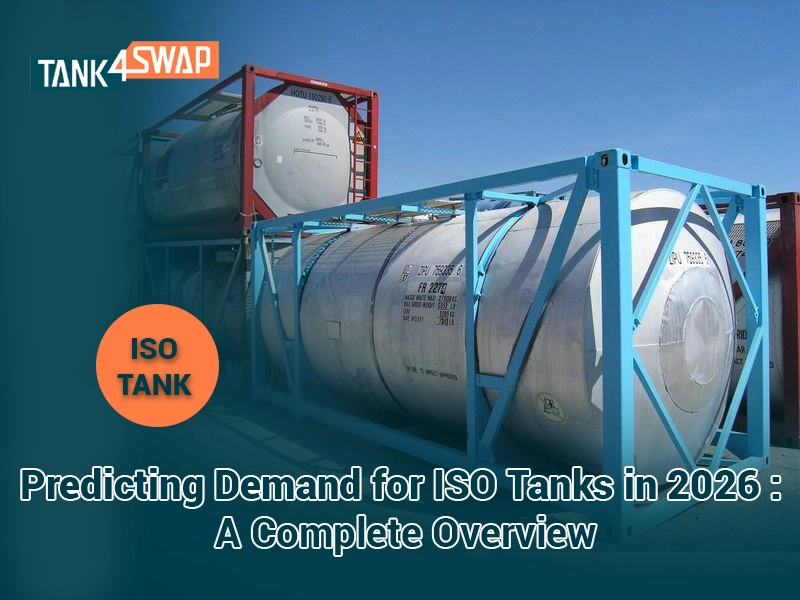
Understanding future logistics needs is becoming more important than ever as the global supply chain continues to evolve. When it comes to the safe and efficient transport of bulk liquids, ISO tanks remain one of the most relied-upon assets worldwide. In this detailed guide, we break down everything you need to know about predicting demand for ISO tanks in 2026, from market drivers and obstacles to technological innovations shaping the industry’s future.
Introduction to ISO Tanks
ISO tanks are specialized, multimodal containers designed for transporting liquid, hazardous, and non-hazardous bulk materials. Their robust construction and safety compliance make them indispensable for global trade
Why Predicting Future Demand Matters
Forecasting future demand allows companies to make strategic decisions about fleet expansion, capital investments, and supply chain planning.
Key Factors Influencing 2026 Demand
The demand for ISO tanks in 2026 will be shaped by a variety of interconnected global, industrial, and technological factors. One of the most significant drivers is the rapid expansion of the chemical sector, which continues to produce higher volumes of bulk liquids for export. As global manufacturing hubs—especially in Asia—scale up production, the need for safe, standardized, and efficient transport containers such as ISO tanks increases considerably.
Another crucial factor is international trade policies. Changes in tariffs, trade agreements, and shipping regulations influence global logistics flows. Countries improving their import–export infrastructure will naturally push demand for ISO tanks upward. Meanwhile, increased attention to sustainability and environmental compliance is motivating businesses to move away from single-use packaging, opting instead for reusable, durable ISO tanks that reduce waste and carbon emissions.
Additionally, supply chain resilience has become a top priority following global disruptions in recent years. Companies are aiming to diversify their logistics networks and invest in assets that provide flexibility and security. ISO tanks offer exactly that—multimodal capability, long-term cost savings, and safer handling of hazardous and non-hazardous materials. All these elements together shape a strong, steady demand outlook as we approach 2026.
Predicting Demand for ISO Tanks in 2026: Core Methodologies
Accurate forecasting typically uses:
- Trend analysis
- Market modeling
- Industry surveys
- Technological impact assessment
Impact of Global Trade Dynamics
Global trade patterns directly influence the demand for ISO tanks, as shifts in import-export volumes dictate the need for bulk liquid transport solutions. Economic growth in emerging markets, changes in trade agreements, and geopolitical developments can either boost or constrain international shipping flows, affecting how many ISO tanks are required to meet global supply chain needs. Companies are increasingly analyzing trade forecasts to anticipate tank requirements and optimize fleet utilization.
The Role of Chemical Industry Expansion
The chemical sector is a major driver of ISO tank demand, particularly as production scales up in regions like Asia and the Middle East. Expanding chemical manufacturing generates higher volumes of bulk liquids that require safe, standardized, and compliant transportation. This growth creates a strong market for ISO tanks, which offer efficiency, reduced risk of contamination, and compliance with international safety standards.
Growth of Food-Grade Liquid Transport
As consumer demand for liquid food products—such as oils, juices, and dairy—increases globally, the need for ISO tanks specifically designed for food-grade liquids rises. These tanks ensure hygienic, contamination-free transport while enabling cost-effective bulk shipments. The trend is particularly noticeable in regions with expanding processed food industries and rising exports of edible liquids.
Rise of Pharmaceutical Logistics
The pharmaceutical industry’s expansion, particularly in biologics, vaccines, and liquid formulations, is driving demand for specialized ISO tanks. These tanks provide temperature-controlled, secure, and reliable transport for sensitive pharmaceutical liquids. As global healthcare supply chains become more complex, companies increasingly rely on ISO tanks to meet regulatory compliance while ensuring product integrity.
The Impact of Environmental Regulations on Predicting Demand for ISO Tanks
Stricter environmental and safety regulations are shaping ISO tank usage by mandating safer handling, reduced emissions, and leak prevention. Companies are upgrading or investing in ISO tanks that comply with international environmental standards, including ADR, IMDG, and local laws. Compliance not only mitigates legal risks but also drives adoption of more advanced tank designs.
Sustainability Trends Driving ISO Tank Usage
Sustainability initiatives are encouraging companies to favor reusable ISO tanks over disposable packaging solutions. The reduction of waste, lower carbon footprints, and resource efficiency are key motivations. As businesses increasingly prioritize circular economy practices, the use of ISO tanks is expected to rise, aligning operational efficiency with environmental responsibility.
Predicting Demand Through Technological Innovations for ISO Tanks Manufacturing
Technological advancements are transforming ISO tank production, leading to smarter, safer, and more efficient designs. One notable development is the use of lightweight, high-strength alloys and composite materials. These innovations not only enhance durability but also reduce tare weight, allowing companies to transport larger payloads while lowering fuel consumption and shipping costs.
Another transformative trend is the integration of IoT and smart monitoring systems. Modern ISO tanks can now be equipped with sensors that track real-time data such as temperature, pressure, location, and vibration levels. This visibility helps operators optimize routes, prevent accidents, and minimize downtime through predictive maintenance. Smart tanks significantly improve operational efficiency and reduce the risk of product loss or contamination.
Manufacturers are also investing in advanced insulation technologies to support industries handling temperature-sensitive liquids, such as pharmaceuticals and specialty chemicals. Improved thermal performance enhances product integrity during long-distance transport. Furthermore, automated welding systems, robotic inspections, and digital quality control tools are raising production standards, ensuring higher consistency and longer lifecycle performance for every tank.
These technological breakthroughs not only improve reliability and safety but also position ISO tanks as the preferred long-term solution for global bulk liquid logistics in 2026 and beyond.
Conclusion
Predicting demand for ISO tanks in 2026 requires analyzing global trade trends, industrial growth, environmental regulations, and emerging technologies. As industries continue expanding and sustainability becomes essential, ISO tanks will play a more critical role in global logistics. Companies that prepare early will gain a strong competitive advantage in the evolving supply chain environment.
Frequently Asked Questions (FAQs)
-
What industries will drive ISO tank demand in 2026?
Primarily the chemical, pharmaceutical, and food industries due to rising global production and transportation needs.
-
Will ISO tanks remain a preferred option for bulk liquid transport?
Yes. Their durability, safety, and sustainability advantages make them highly reliable.
-
How will technology impact ISO tank demand?
Innovations like IoT tracking and predictive maintenance will enhance performance and increase adoption.
-
Which region will lead ISO tank demand in 2026?
Asia-Pacific is expected to show the strongest growth thanks to rapid industrialization.
-
Are ISO tanks environmentally friendly?
Yes. They reduce waste, last longer, and align with global sustainability goals.
Contact TANK4SWAP for Professional Flexi Tank Solutions
If you’re searching for dependable Flexi Tank solutions, TANK4SWAP is your trusted partner. Whether you need expert advice on selecting the right Flexi Tank, insights into logistics and cost efficiency, or assistance with technical challenges, our team is ready to support you every step of the way.
At TANK4SWAP, we provide personalized guidance to ensure your bulk liquid transportation is safe, efficient, and cost-effective. We collaborate with businesses across the globe, supplying high-quality Flexi Tanks suitable for a wide range of industries—including food-grade liquids, chemicals, pharmaceuticals, and industrial oils.
Why Choose TANK4SWAP?
✔️ Expert Consultation – Receive customized solutions tailored to your specific cargo and operational requirements.
✔️ Dependable Support – Our specialists are available to help with logistics planning and technical inquiries.
✔️ Cost-Effective Options – Enhance your bulk liquid transport strategy with durable, affordable, and high-performance Flexi Tanks.
📞contact us :
Get in touch with TANK4SWAP today and let our experts help you find the ideal Flexi Tank solution for your business!
