
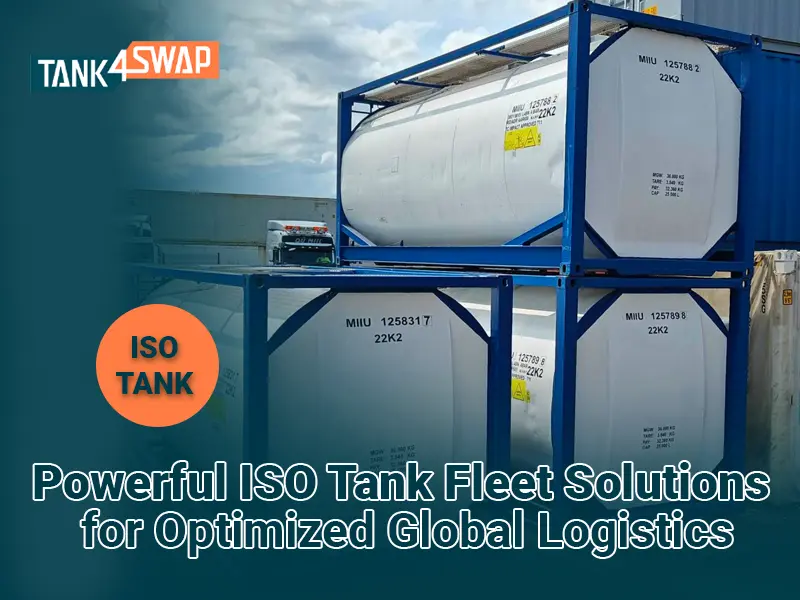
In today’s global logistics landscape, the demand for safe, efficient, and sustainable transport of bulk liquids and gases is higher than ever. One of the most reliable and cost-effective methods for meeting this demand is through ISO tank fleet solutions. These solutions offer standardized, intermodal containers that ensure the secure movement of chemicals, food-grade products, and other liquids across vast distances. As businesses look to optimize their supply chains while adhering to international safety standards, ISO tank fleets have become a strategic asset in modern transportation logistics.
What is ISO Tanks?
ISO tanks are standardized, cylindrical containers built for transporting bulk liquids and gases. Designed under the International Organization for Standardization (ISO), these tanks ensure global interoperability, allowing for efficient transport by road, rail, and sea.
Built with stainless steel and surrounded by protective layers, ISO tanks typically hold between 14,000 and 27,000 liters. Their robust design makes them ideal for high-risk or sensitive cargo like chemicals, fuels, or food-grade liquids.
Fleet Management in Tank Logistics
Managing an ISO tank fleet involves overseeing a group of tanks across various stages of use—filled, in transit, returned, or under maintenance. Successful fleet solutions focus on real-time tracking, maintenance scheduling, cleaning cycles, and regulatory compliance.
With effective fleet management systems, operators can minimize downtime, reduce risk, and ensure compliance with both local and international laws.
Key Benefits of ISO Tank Fleet Solutions
Safety and Regulatory Compliance
ISO tank solutions prioritize safety through rigorous design and standard compliance. Features include pressure relief valves, double closures, and insulation for hazardous cargo. They meet global safety standards like ADR, IMDG, and DOT, ensuring peace of mind in international transport.
Cost-Efficiency and Sustainability
ISO tanks reduce per-trip transport costs by carrying more volume than IBCs or drums. Their reusability minimizes waste, while fewer handling processes lower labor costs. Over time, these efficiencies add up, resulting in significant ROI for fleet operators.
Global Transport Capabilities
Thanks to their ISO design, tanks can seamlessly switch between transport modes—rail in Europe, sea in Asia, or trucks in the U.S. This multimodal compatibility makes ISO tanks an excellent choice for global supply chains.
Core Components of an Efficient ISO Tank Fleet
Tank Design and Capacity Variants
ISO tanks come in several types:
- T11: For food-grade or non-hazardous liquids.
- T14: For mildly hazardous materials.
- T50 and T75: For compressed gases and cryogenics.
Choosing the right tank type ensures compatibility and safety during transport.
Telemetry and GPS Integration
Modern ISO tanks now feature GPS tracking, geofencing alerts, and temperature/humidity sensors. Telemetry helps in route optimization, live monitoring, and proactive maintenance—reducing costly breakdowns.
Maintenance and Inspection Protocols
Routine inspection and repair schedules are vital. A proactive MRO (Maintenance, Repair, Overhaul) system ensures longer asset life and higher compliance rates.
Types of ISO Tanks Used in Fleet Operations
T11 for Non-Hazardous Liquids
These tanks are the most common and versatile, ideal for bulk alcohol, vegetable oils, or detergents.
T14, T50 & T75 for Specialized Materials
- T14: Handles corrosive or hazardous chemicals.
- T50: Suitable for liquefied gases like LPG.
- T75: Designed for cryogenic liquids such as liquid nitrogen.
Each type serves a unique industry vertical with specific handling needs.
Challenges in Managing ISO Tank Fleets
Handling Cross-Border Compliance
Every region has unique laws. Ensuring compliance with the EU’s ADR, the U.S. DOT, or maritime IMDG codes can be overwhelming without expert support.
Monitoring Real-Time Usage and Maintenance
Without smart software, tracking which tank needs maintenance or cleaning can be inefficient and error-prone.
ISO Tank Leasing vs. Ownership Models
Pros and Cons of Each Approach
- Leasing: Lower upfront cost, flexible, suitable for short-term or project-based needs.
- Ownership: Higher long-term value, greater control, and customized features.
Cost Comparison and Lifecycle Analysis
While leasing can be cost-effective for small fleets, ownership pays off for frequent or high-volume users due to reduced recurring fees.
Software Solutions for ISO Tank Fleet Management
Real-Time Tracking Platforms
Leading platforms provide real-time GPS, temperature logs, valve status, and security alerts.
Predictive Analytics for Maintenance
AI-powered platforms now predict mechanical failures, schedule maintenance, and reduce tank downtime by up to 40%
Selecting the Right ISO Tank Fleet Partner
What to Look for in a Provider
Key criteria include:
- Global depot and maintenance coverage.
- Availability of smart tracking technology.
- Compliance with international safety standards.
- 24/7 customer support and emergency handling.
Global Network and Service Coverage
Top-tier providers have networks in major ports, rail yards, and depots across continents. This ensures quick turnaround, reduced downtime, and scalable support regardless of location.

Use Cases of ISO Tank Fleet Solutions
Chemicals and Petrochemicals
ISO tanks are widely used for transporting solvents, acids, and fuel derivatives. Their robust build and sealed transport system reduce contamination and leakage risks—essential in this high-risk industry.
Food-Grade and Pharmaceutical Transport
For perishable or temperature-sensitive cargo like milk, glucose, or vaccine precursors, ISO tanks offer insulation and temperature control features, ensuring cargo remains compliant with FDA, EU, or WHO standards.
Trends Shaping the Future of ISO Tank Fleet Solutions
AI-Powered Logistics
AI and machine learning are now being used to:
- Optimize routes based on weather, traffic, and cargo needs.
- Predict failures and schedule proactive maintenance.
- Automate compliance checks with digital logs.
Decarbonization and Green Fleets
Many operators are transitioning to low-emission vehicles, electric container movers, and carbon offsetting programs. ISO tank logistics is rapidly aligning with global sustainability goals and ESG (Environmental, Social, Governance) mandates.
Frequently Asked Questions (FAQs)
What are ISO tanks used for?
ISO tanks are used for transporting bulk liquids and gases such as chemicals, food-grade materials, fuels, and pharmaceuticals across global supply chains.
How do ISO tanks compare to IBCs or drums?
ISO tanks carry larger volumes, reduce packaging waste, and offer better safety for long-distance and international transport compared to Intermediate Bulk Containers (IBCs) or drums.
What is the lifespan of an ISO tank?
With proper maintenance, an ISO tank can last up to 30 years. Periodic inspections and refurbishments help extend operational life.
How much does ISO tank transport cost?
Costs depend on distance, cargo type, leasing model, and region. However, ISO tank transport is generally more cost-efficient per liter than smaller packaging solutions.
Can ISO tanks be used for hazardous materials?
Yes, specific types like T14 and T50 tanks are designed to handle corrosive, flammable, or toxic substances while adhering to international safety standards.
How do I choose the right ISO tank solution?
Consider cargo type, distance, safety needs, regulatory environment, and whether you want to lease or own tanks. Working with a trusted logistics partner can help you make the best decision.
Conclusion: Why ISO Tank Fleet Solutions are Essential for Scalable Logistics
ISO tank fleet solutions are revolutionizing the way bulk liquids are transported globally. From improved safety and cost-efficiency to sustainability and smart analytics, these systems empower businesses to meet rising demand while staying compliant and competitive.
Whether you’re handling chemicals, food-grade liquids, or medical compounds, investing in robust ISO tank fleet solutions can unlock a new level of reliability and profitability in your supply chain.
Get in Touch with TANK4SWAP – Your Trusted Partner in Bulk Edible Oil Transport!
Looking for a safer, smarter, and more cost-efficient solution for bulk edible oil shipping? TANK4SWAP is here to help. Our state-of-the-art Flexi Tanks are engineered for optimal performance, food-grade safety, and significant cost savings.
From choosing the right tank configuration to streamlining your logistics and ensuring compliance with international food safety standards, our experienced team is ready to guide you every step of the way.
Don’t compromise on quality or safety—reach out to TANK4SWAP today and discover a seamless solution for your edible oil transport needs.
