
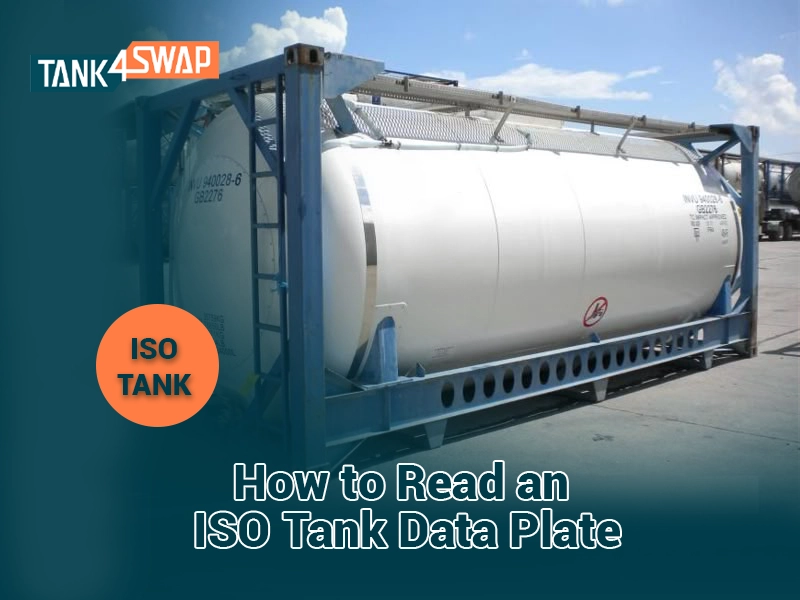
An ISO tank data plate is a metal identification plate attached to ISO tank containers, displaying technical details required for safe global transportation. It includes information about capacity, pressure limits, material, approvals, and manufacturing data. Understanding this plate is essential for shippers, surveyors, logistics managers, and safety inspectors.
Why ISO Tank Data Plates Matter
ISO tank data plates ensure international transport safety by providing immediate access to essential technical details. They help operators verify compatibility with cargo types, legal compliance, and operational limits. By reading the plate correctly, users prevent accidents, product loss, and regulatory violations.
How to Read an ISO Tank Data Plate
Understanding the Layout – How to Read an ISO Tank Data Plate
The layout typically includes the manufacturer’s information at the top, followed by capacity numbers, certification details, pressure ratings, and material specs. Each line carries industry-standard codes that communicate critical information at a glance. Knowing the structure speeds up inspections and decision-making.
Key Symbols Explained – How to Read an ISO Tank Data Plate
ISO tank data plates use abbreviations such as “MAWP” for Maximum Allowable Working Pressure or “TARE” for empty weight. These symbols follow global ISO and IMDG standards for consistency. Learning their meaning ensures safe loading and accurate calculations during transport.
Pressure Ratings – How to Read an ISO Tank Data Plate Correctly
Understanding pressure ratings helps operators match products to tanks safely. The data plate lists MAWP, test pressure, and sometimes design pressure, all of which dictate handling requirements. Misinterpreting these numbers can compromise tank integrity and cargo safety.
Capacity Values – How to Read an ISO Tank Data Plate Safely
Capacity values include total volume, operational filling limits, and sometimes ullage space requirements. These details prevent overfilling, which can cause pressure buildup or leakage. Proper reading ensures compliance with both safety rules and customer expectations.
Certification Marks – How to Read an ISO Tank Data Plate Codes
Certification marks show that the tank meets standards from authorities like IMO, CSC, and RID/ADR. These codes validate that the tank is legally approved for multimodal transport. They also indicate the schedule for required inspections and recertification.
Detailed Understanding of Data Plate Sections
Manufacturer Information
This section identifies the tank builder, factory location, and production year. Manufacturing data helps verify authenticity and track historical maintenance. It also ensures operators confirm tank age, which affects inspection intervals.
Tare Weight
Tare weight represents the empty tank’s weight without cargo. It ensures accurate calculation of gross weight during shipment planning. Misreading tare weight can lead to overloading and violations of transport limits.
Maximum Gross Weight (MGW)
MGW shows the maximum total weight of the tank, including cargo and equipment. It protects operators from surpassing structural limits during loading. Always compare MGW with transport vehicle capacity to maintain safety.
Maximum Allowable Working Pressure (MAWP)
This value states the maximum pressure the tank can handle during normal operations. It’s essential for compatibility with pressurized liquids or gases. Exceeding MAWP poses severe explosion or leakage risks.
Test Pressure / Hydrostatic Test
Test pressure refers to the maximum pressure applied during factory testing. It ensures the tank’s ability to withstand extreme conditions. Inspectors use this number during periodic re-testing to maintain certification.
Material Specifications
Material codes indicate the type of stainless steel or alloy used to construct the tank. This helps determine compatibility with corrosive chemicals or food-grade products. The right material selection ensures long service life and cargo purity.
Insulation Details
If the tank is insulated, the data plate may list insulation type and thickness. This information ensures operators maintain temperature-sensitive cargoes correctly. It also communicates energy-efficiency during temperature control.
Tank Code (e.g., T11, T14, T20)
The tank code defines cargo categories and allowable pressure levels. Each code corresponds to specific IMDG regulations. Operators use these codes to verify whether the tank suits hazardous or non-hazardous liquids.
Serial Number
The serial number is the unique identifier for the tank. It is required for tracking, maintenance, and customs documentation. Accurate recording avoids confusion between tanks in large fleets.
Date of Manufacture
This date determines when the tank enters mandatory inspection cycles. Knowing the age ensures timely pressure tests, visual exams, and recertification. Out-of-date tanks cannot legally operate.
Working Temperature Range
Some plates list operational temperature limits. This ensures that cargo requiring heating or cooling remains within safe boundaries. Extreme temperatures can compromise tank strength or lining.

Steam Heating Pressure
For tanks equipped with steam coils, the plate may list maximum steam pressure. Operators must respect this limit to avoid coil damage. This ensures controlled reheating of viscous materials like oils or resins.
Safety Placard Information
Although not always on the plate, safety placard sections may reference hazard instructions. They help align labels with cargo type classifications. Ensuring correct placarding is mandatory for regulatory compliance.
Lining or Coating Details
Some tanks include internal linings to protect against corrosion. The plate may reference coating types and maintenance needs. Checking this helps avoid chemical incompatibility.
Periodic Inspection Dates
Inspection dates indicate past tests and the next due date. Operators must ensure the tank is within its inspection validity period. Failure to comply results in transport refusal.
CSC Approval Plate Information
ISO tanks must carry CSC approval for international container transport. This validates structural integrity for multimodal use. Inspectors often check CSC details alongside the ISO plate.
Owner or Operator Code
Some plates list the tank’s owning company or fleet code. This aids in asset management and tracking. It also helps during rental disputes or incident investigations.
Additional Safety Marks
Extra markings may include emergency instructions, temperature limits, or specific operational notes. These help operators manage risk and ensure safe handling. Reading all extra marks prevents misuse.
FAQs About How to Read an ISO Tank Data Plate
-
What is an ISO tank data plate?
It’s a metal plate showing key technical and safety information about an ISO tank.
-
Why is the data plate important?
It ensures safe, compliant global transport by listing operational limits.
-
What does MAWP mean?
It’s the maximum pressure the tank can safely handle during normal use.
-
How often must ISO tanks be inspected?
Typically every 2.5 years, with major inspections every 5 years.
-
What is the tank code on an ISO plate?
It identifies the tank type and cargo compatibility under IMDG rules.
-
Who uses the data plate?
Shippers, drivers, inspectors, and logistics operators.
-
Is tare weight the same as gross weight?
No—tare is empty weight; gross includes cargo.
-
Where is the data plate located?
Usually on the tank frame near the walkway or valve cabinet.
Conclusion
Understanding how to read an ISO tank data plate is essential for safe, efficient, and legally compliant global cargo movement. By recognizing core elements like pressure ratings, tank codes, capacities, and inspection dates, operators can make informed decisions every step of the way. Whether you’re new to tank containers or refining your expertise, mastering data plate interpretation enhances safety, reliability, and industry professionalism.
Contact TANK4SWAP Today!
Looking for a smarter, safer, and more efficient solution for transporting edible oils in bulk? TANK4SWAP delivers exactly what you need. Our premium Flexi Tanks are engineered for superior performance, ensuring maximum capacity, zero contamination risks, and significantly lower shipping costs. Whether you need guidance in choosing the ideal Flexi Tank, support in optimizing logistics, or assurance of full food-grade compliance, our expert team is ready to help. Don’t compromise on quality.
contact us:
reach out to TANK4SWAP today and enjoy a seamless, reliable edible oil transport experience like never before! 🚀
