
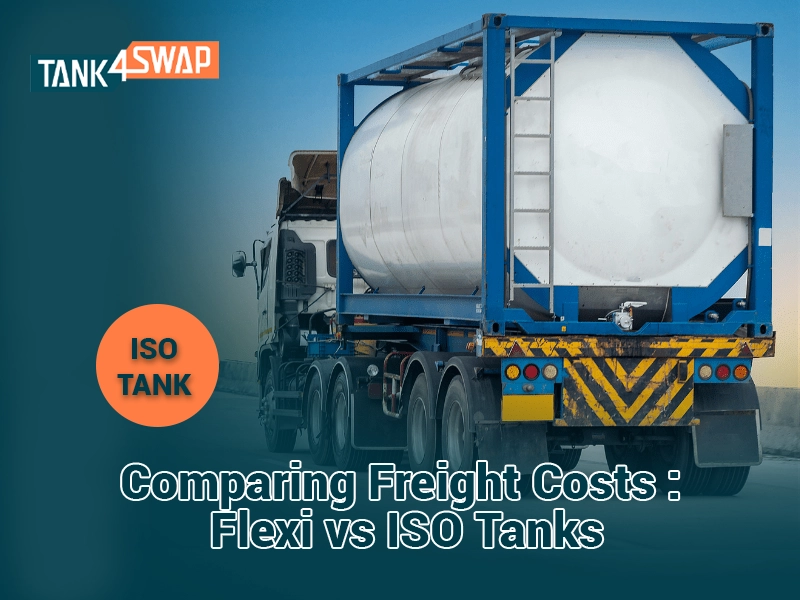
Transporting bulk liquids efficiently and economically is a top priority for industries such as chemicals, food-grade materials, oils, and pharmaceuticals. Among the most common solutions are Flexi Bags (Flexi Tanks) and ISO Tanks. Each comes with its own advantages, challenges, and cost variables.In this comprehensive guide, we’re Comparing Freight Costs: Flexi vs ISO Tanks to help businesses make informed transport decisions based on budget, safety, sustainability, and operational efficiencies.
Introduction to Bulk Liquid Transport
Bulk liquid logistics is a crucial component of global supply chains. Companies choose between various container systems depending on cargo type, distance, cost, and safety requirements.
Flexi tanks are large, disposable, multilayer bladders fitted inside standard 20-foot containers. They’re popular due to their low cost and ease of setup.
ISO tanks are rigid, stainless-steel containers designed for liquids requiring higher safety, pressure stability, and temperature control. They are reusable and globally standardized.
Freight cost optimization directly impacts profitability, especially for exporters and global distributors. Choosing the wrong tank type can inflate expenses significantly.
Comparing Freight Costs Flexi vs ISO Tanks
When we talk about Comparing Freight Costs: Flexi vs ISO Tanks, we’re looking at how much it costs to ship bulk liquids using either a Flexi Tank or an ISO Tank — and why those costs differ. Each option has its own financial advantages and limitations, depending on the cargo type, distance, equipment needs, and overall logistics.
-
Flexi Tanks Usually Have Lower Initial Costs
Flexi tanks are disposable bladders placed inside standard 20-foot containers.
Because they are lightweight and do not require cleaning or return transport, the initial expense of using them is generally lower.
Key cost advantages:
- Cheaper equipment
- No return freight required
- Lower installation and handling fees
Flexi tanks often work best for one-way, non-hazardous liquid shipments.
-
ISO Tanks Have Higher Upfront But Lower Long-Term Costs
ISO tanks are durable, reusable stainless-steel containers made to transport hazardous and high-value liquids safely.
They have higher short-term costs because of cleaning, maintenance, and depot storage, but they become cost-effective when used repeatedly.
Key cost contributors:
- Equipment is more expensive
- Requires cleaning and inspections
- Must be returned after unloading
ISO tanks are ideal for frequent shipments, hazardous cargo, or sensitive liquids.
-
Freight Rates Differ Between the Two
Flexi tanks ship as standard container loads, which usually means lower freight charges.
ISO tanks, being heavier and specialized, may incur extra surcharges depending on the carrier and route.
-
Return Logistics Affect Total Cost
A major cost difference comes from return transport:
- Flexi Tanks: single-use → no return logistics
- ISO Tanks: must be returned or stored at depots → extra cost
This is a crucial factor when calculating total shipping expenses.
-
Product Type and Risk Levels Change the Cost Calculation
If the liquid is hazardous, sensitive, or high value, ISO tanks reduce risk and potential loss — which can save money in the long run.
For low-risk products, Flexi tanks often remain the cheaper choice.
Cost Structure of Flexi Tanks
Flexi tank costs include:
- One-time purchase of the flexi bladder
- Installation and loading
- Container rental or use fee
- Additional disposal charges
Flexi tanks tend to have lower upfront costs.
Cost Structure of ISO Tanks
ISO tank costs are driven by:
- Higher equipment value
- Cleaning and maintenance fees
- Depot storage
- Mandatory inspections
ISO tanks are more expensive upfront but reusable.
Logistics Factors Affecting Costs
Key factors include:
- Distance and route
- Product characteristics
- Carrier surcharges
- Regional regulations
Shipping Rates for Flexi vs ISO Tanks
Shipping rates for Flexi and ISO tanks vary based on factors like cargo volume, weight, distance, and type of liquid. Flexi Tanks, being lightweight and installed inside standard containers, generally incur lower shipping costs for bulk liquids, especially non-hazardous cargo. ISO Tanks, while more expensive to ship due to their heavier weight and rigid structure, offer advantages for hazardous, temperature-sensitive, or high-value liquids because they provide enhanced safety, durability, and compliance with international regulations. Choosing the right tank type involves balancing shipping costs with safety, regulatory compliance, and the nature of the liquid cargo.
Insurance and Risk-Based Cost Assessment
Insurance premiums vary:
- Higher risk for flexi tanks (due to rupture or contamination)
- Lower risk for ISO tanks
Product Type and Cost Efficiency
Flexi tanks are ideal for:
- Non-hazardous liquids
- Food-grade products
- Oils
ISO tanks suit:
- Hazardous chemicals
- Temperature-sensitive liquids
- High-value liquids
Comparing Freight Costs Flexi vs ISO Tanks for Food-Grade Liquids
When transporting food-grade liquids, Flexi Tanks often offer a more cost-effective solution compared to ISO tanks. Flexi Tanks are single-use, lightweight, and can be installed inside standard shipping containers, which reduces both shipping weight and space requirements. This minimizes freight costs, especially for bulk liquid shipments under 24,000 liters. Additionally, Flexi Tanks reduce cleaning and sterilization costs associated with reusable ISO tanks, making them particularly economical for food-grade liquids where hygiene standards are stringent.
Comparing Freight Costs Flexi vs ISO Tanks in the Chemical Industry
In the chemical industry, freight cost comparisons between Flexi and ISO tanks depend on the nature and volume of the chemical being transported. Flexi Tanks provide flexibility for large-volume bulk chemicals and reduce transportation costs by maximizing container space and lowering empty container weight. However, for hazardous or highly reactive chemicals, ISO tanks—though heavier and costlier to ship—offer better safety, durability, and compliance with international regulations, which can justify higher freight costs. Ultimately, the choice balances cost savings against safety and regulatory requirements.
Safety-Related Costs
ISO tanks provide:
- Better structural integrity
- Heat resistance
- Pressure handling
Lower risk often equals lower long-term losses.
Which Option Saves More in the Long Run?
It depends on frequency, safety needs, product type, and disposal vs. return costs.
- Low-risk liquids + one-time shipping → Flexi Tank
- High-value or hazardous liquids + recurring shipments → ISO Tank
Conclusion
When Comparing Freight Costs: Flexi vs ISO Tanks, there’s no universal answer. Flexi tanks shine for low-risk, one-way shipments requiring budget efficiency. Meanwhile, ISO tanks dominate when safety, durability, and long-term usage matter most.
Ultimately, the best choice balances cost, cargo safety, and logistical practicality.
FAQs
-
Which is cheaper: Flexi tanks or ISO tanks?
Flexi tanks are generally cheaper upfront and for one-way shipments.
-
Are ISO tanks safer than Flexi tanks?
Yes. ISO tanks provide higher structural integrity, better pressure control, and lower contamination risk.
-
Can Flexi tanks be reused?
No. Flexi tanks are single-use systems.
-
Do ISO tanks require return shipping?
Yes. ISO tanks must be returned or stored at depots, adding cost.
-
Which option is more environmentally friendly?
ISO tanks — they are reusable and produce less waste.
Contact TANK4SWAP for Professional Flexi Tank Discharge Support
If you need reliable assistance with your Flexi Tank discharge system, the TANK4SWAP support team is ready to help. Whether you’re choosing the right discharge method, solving unloading challenges, or looking to enhance operational efficiency, our specialists deliver customized solutions for all your bulk-liquid handling requirements.
At TANK4SWAP, we make sure your Flexi Tank discharge process stays safe, efficient, and cost-effective. From gravity discharge to pump-assisted and air-pressurized systems, we offer expert guidance designed to maximize product recovery and minimize waste.
Why Work With TANK4SWAP?
✔️ Specialized Expertise – Tailored recommendations based on your unique discharge needs
✔️ Efficiency Improvement – Strategies to speed up unloading and reduce product loss
✔️ Trusted Support – Advice on safety, compliance, and industry best practices
📞 contact us :
Get in touch with TANK4SWAP today for expert Flexi Tank discharge support and experience a smooth, effortless unloading process from start to finish!
