
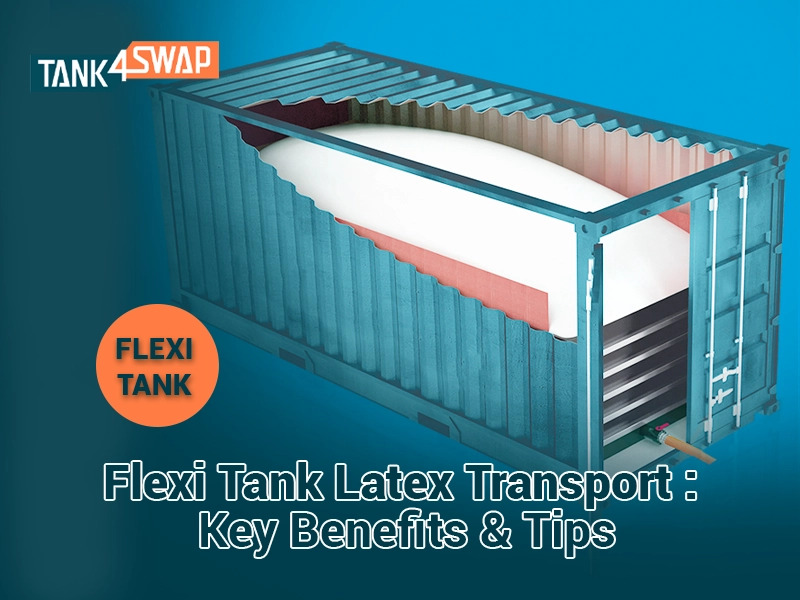
In today’s global supply chain, the transport of liquid goods like natural and synthetic latex plays a vital role in several industries, including manufacturing, healthcare, and construction. One standout innovation revolutionizing this sector is Flexi Tank latex transport. Flexi tanks, known for their adaptability and cost-effectiveness, have become the go-to solution for moving latex safely and efficiently across borders.
Latex, a sensitive and reactive material, demands precise handling during transportation. Traditional methods such as ISO tanks and barrels often fall short in terms of capacity and risk management. Flexi tanks, on the other hand, offer a modern solution tailored to the needs of latex shippers.
Understanding the Nature of Latex as a Cargo
Chemical Properties of Latex
Latex is a water-based emulsion primarily composed of rubber particles suspended in water. It is sensitive to temperature fluctuations, contamination, and mechanical agitation, which can lead to coagulation or spoilage.
Transportation Challenges of Latex
Transporting latex presents several challenges:
- Gelation when exposed to freezing temperatures
- Coagulation due to contamination or agitation
- Volumetric sensitivity, requiring leak-proof containment
Because of these factors, only specific transport systems like Flexi tanks can ensure optimal safety and preservation of the cargo.
How Flexi Tanks Work for Liquid Cargo
Structure and Components of a Flexi Tank
A Flexi tank is a large, flexible container typically made from multi-layer polyethylene with an outer protective woven layer. It fits inside a standard 20-foot shipping container and can hold up to 24,000 liters of liquid.
Capacity and Load Efficiency
Compared to traditional drums (200L each), which require significant space, a Flexi tank can carry an equivalent volume while using only a fraction of the storage footprint—resulting in reduced costs and increased efficiency.
Advantages of Using Flexi Tanks for Latex Transport
Cost Efficiency
- Eliminates the need for return logistics (Flexi tanks are disposable).
- Lower labor costs due to simplified loading and unloading.
Eco-Friendliness
- Made from recyclable materials.
- Reduces carbon footprint by optimizing container space.
Space Utilization
- One Flexi tank replaces up to 80 drums.
- Maximizes cubic volume usage in shipping containers.
Step-by-Step Process of Flexi Tank Latex Transport
Pre-Loading Inspection
Before the latex is even introduced into the Flexi tank, a thorough inspection must take place. This involves:
- Visual checks for punctures or weaknesses in the tank lining.
- Ensuring the container is clean and odor-free to avoid contamination.
- Verifying the structural integrity of the shipping container—damaged flooring or sharp edges can tear the tank during transit.
A checklist-based inspection protocol is typically used to maintain consistency and ensure all standards are met.
Loading the Latex
- Use a pump system to fill latex slowly and evenly.
- Avoid introducing air pockets that can affect pressure balance.
Transportation Protocols
- Monitor temperature throughout the journey.
- Secure the container to prevent shifting.
Unloading Procedure
- Use gravity or pumps for controlled discharge.
- Dispose of or recycle the Flexi tank as per environmental guidelines.
Comparing Flexi Tanks to ISO Tanks and Drums
| Feature | Flexi Tank | ISO Tank | Drums |
| Capacity | Up to 24,000 L | 20,000–26,000 L | ~200 L per drum |
| Reusability | Single-use | Reusable | Reusable |
| Cleaning Needed | No | Yes | Yes |
| Initial Cost | Low | High | Medium |
| Space Optimization | High | Moderate | Low |

Flexi Tank Material Compatibility with Latex
Latex requires a non-reactive, food-grade polyethylene inner liner to maintain its chemical stability. Multi-layered liners prevent contamination, ensuring that the latex remains pure and usable upon arrival.
Safety Measures in Latex Transport Using Flexi Tanks
- Use impact-resistant barriers inside the container.
- Monitor temperature to prevent freezing or overheating.
- Ensure secure valve systems to avoid leakage.
Common Risks and How to Mitigate Them
Gelation and Coagulation
- Use temperature-controlled environments.
- Minimize handling to prevent agitation.
Mechanical Damage
- Secure containers internally.
- Conduct pre-shipment Flexi tank inspections.
Weather Influence
- Ship during stable weather windows.
- Avoid routes known for extreme temperature changes.
Regulations and Standards for Flexi Tank Latex Shipping
Ensure compliance with:
- COA (Container Owners Association) standards
- IMDG (International Maritime Dangerous Goods) code (if applicable)
- Shipping line certifications for Flexi tanks
Best Practices for Shipping Latex in Flexi Tanks
- Sanitize loading equipment to prevent bacterial growth.
- Maintain detailed documentation (Material Safety Data Sheet – MSDS).
- Always insure your shipment to cover unexpected damages.
Sustainability and Environmental Impact
Flexi tanks contribute to eco-conscious logistics by:
- Reducing fuel consumption (due to lower tare weight)
- Being 100% recyclable if handled properly
- Cutting down plastic waste compared to drums
Industry Applications and Case Studies
Latex in Medical Supply Chains
Used for making surgical gloves, latex must arrive contaminant-free—a feat well-suited for Flexi tanks.
Flexi Tank Use in Southeast Asia
Thailand and Malaysia, as major latex producers, heavily rely on Flexi tanks for export logistics.
Choosing the Right Supplier for Flexi Tank Latex Transport
What to Look For in a Flexi Tank Provider
- COA certification
- Proven experience with latex
- Customization options (e.g., heating pads)
Cost Analysis and Return on Investment (ROI)
Though single-use, Flexi tanks provide:
- 30–40% cost savings per shipment
- Lower maintenance vs ISO tanks
- Higher cargo yield per container
Future Trends in Liquid Latex Transport
- Smart monitoring chips for real-time cargo tracking
- Biodegradable Flexi tanks under development
- Blockchain-based logistics for traceability
Frequently Asked Questions (FAQs)
-
Is Flexi tank latex transport safe for natural rubber latex?
Yes, when using food-grade liners and temperature control, it’s completely safe.
-
Can Flexi tanks be reused?
Typically, Flexi tanks are single-use due to contamination and structural integrity concerns.
-
How much latex can a Flexi tank hold?
Most hold between 20,000 to 24,000 liters, depending on density and shipping restrictions.
-
What temperature is ideal for transporting latex?
Between 10°C and 30°C to avoid coagulation or microbial growth.
-
Are there insurance options available for Flexi tank shipments?
Yes, many logistics firms offer coverage for Flexi tank cargo.
-
How long can latex be stored in a Flexi tank?
It is advisable to unload within 30–45 days to maintain latex quality.
Conclusion: Why Flexi Tank Latex Transport is the Smart Choice
Flexi tank latex transport has redefined efficiency, safety, and environmental responsibility in the liquid cargo sector. By reducing costs, increasing load capacity, and simplifying logistics, this method offers unmatched advantages over traditional solutions. Whether you’re a latex producer or a supply chain manager, Flexi tanks are the future-proof solution you’ve been looking for.
Partner with TANK4SWAP for Reliable Flexi Tank Discharge Expertise
Looking for dependable support with your Flexi Tank discharge system? TANK4SWAP is your trusted partner in ensuring a smooth and effective unloading process. Whether you’re navigating discharge method selection, tackling unloading issues, or striving to enhance operational efficiency, our dedicated experts offer customized guidance tailored to your bulk liquid transport needs.
At TANK4SWAP, we’re committed to making your Flexi Tank discharge safe, efficient, and cost-effective. From standard gravity discharge to advanced pump-assisted or air-pressurized systems, our team delivers actionable advice to help you maximize product recovery while minimizing waste.
Why Choose TANK4SWAP?
✔️ Expert Guidance – Get personalized recommendations based on your discharge challenges
✔️ Efficiency Gains – Streamline your operations and cut down unloading times
✔️ Trusted Support – Access reliable advice on safety, compliance, and industry best practices
📞contact us :
Get in touch with TANK4SWAP today for professional assistance with your Flexi Tank discharge system—and ensure every drop counts!
