
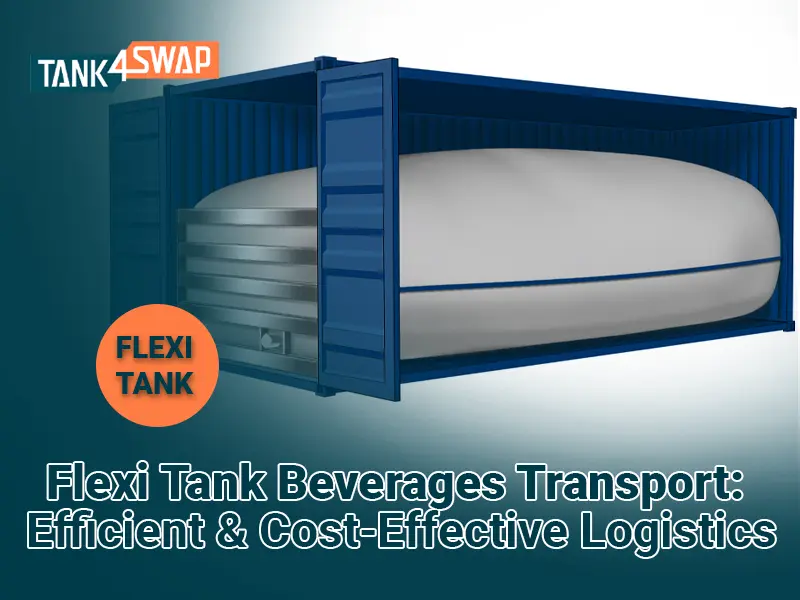
Transporting beverages across borders is a complex process. From ensuring hygiene to minimizing cost, the beverage logistics industry has long sought solutions that are efficient, affordable, and environmentally friendly. Enter Flexi Tank beverages transport—a modern solution for moving bulk liquids that is revolutionizing how beverages are shipped worldwide.
What Is Flexi Tank Beverages Transport?
Flexi Tank beverages transport refers to the use of large, flexible containers made of multiple polyethylene layers housed inside a standard 20-foot shipping container. These tanks are designed specifically to carry non-hazardous liquids such as juice, wine, vegetable oil, and more.
Initially introduced in the 1970s, Flexi Tanks have evolved dramatically. Today, they are widely used in food and beverage industries for their high efficiency, lower cost, and minimal environmental impact.
Understanding Flexi Tanks
Structure and Composition of Flexi Tanks
- Inner Layer: Made of food-grade polyethylene.
- Outer Layer: Often polypropylene for durability.
- Capacity: Typically holds between 16,000 and 24,000 liters.
How Flexi Tanks Work
Once the Flexi Tank is installed in a standard container, the liquid beverage is pumped in through a valve. The container is then sealed and shipped using conventional methods—sea, road, or rail.
Types of Flexi Tanks Used in Beverage Transport
- Single-Use Flexi Tanks
- Multi-Layered Food-Grade Flexi Tanks
- Steam Sterilized Options for specific beverages like juice concentrates
Key Benefits of Flexi Tank Beverages Transport for Global Logistics
Cost Savings and Economic Advantages
Flexi Tanks eliminate the need for drums, IBCs, and ISO tanks. You save on:
- Packaging material
- Handling and labor
- Return freight (they’re disposable)
Environmental Sustainability
- Reduced carbon emissions due to lightweight design
- Less packaging waste
- Recyclable materials
Space Optimization and High Volume Capacity
A single Flexi Tank carries 40% more volume than bottles or drums in the same space.
Hygiene and Safety Standards
Each tank is sanitized and sealed, ensuring zero contamination and maintaining beverage quality.
Ideal Beverages for Flexi Tank Transport
| Beverage Type | Reasons for Suitability |
| Wine | Preserves flavor, cost-effective |
| Juice Concentrates | Sterile, temperature control |
| Vegetable Oils | High-volume, low contamination risk |
| Liquid Sweeteners | Bulk-friendly, eco-conscious |
Flexi Tank Beverages Transport vs. Traditional Liquid Shipping Methods
Flexi Tanks vs ISO Tanks
- ISO tanks are reusable but expensive and heavy.
- Flexi Tanks are cheaper, lighter, and disposable.
Flexi Tanks vs Drums and IBCs
- Drums require more handling and occupy more space.
- IBCs add costs due to cleaning and return.
Why Flexi Tanks are Gaining Popularity
- Lower logistics costs
- Quick loading/unloading
- Better for the environment
Packaging and Loading Process
Pre-Installation Inspection
Before the Flexi Tank is placed inside the shipping container, a thorough inspection is conducted to ensure:
- Container walls are clean and dry
- No sharp objects or protrusions
- Container floor can support the load weight
Loading Process Step-by-Step
- Install the Flexi Tank: Secured inside the container with protective barriers.
- Check Seals and Valves: Ensure food-grade components are properly locked.
- Begin Filling: Beverage is pumped into the Flexi Tank through the inlet valve.
- Level and Monitor: Avoid overfilling or uneven load distribution.
- Seal and Document: Final sealing and documentation for transit.
Sealing and Labeling
Proper labeling ensures compliance with international regulations and helps prevent customs delays.
Transportation and Storage Guidelines
Shipping by Sea, Rail, and Road
Flexi Tanks are compatible with:
- Sea freight: Most common and economical
- Rail freight: Efficient for long inland journeys
- Truck transport: Ideal for local or regional distribution
Handling During Transit
- Use caution during container movement
- Maintain upright positioning
- Avoid stacking heavy loads on top
Storage Conditions and Temperature Control
For beverages like juice and wine:
- Store in shaded areas or refrigerated zones
- Maintain ideal temperature (5°C to 25°C depending on the product)
- Use thermal liners if needed
Regulations and Certifications for Flexi Tank Beverages Transport
Food-Grade Standards
Flexi Tanks used in beverage transport must comply with:
- FDA (U.S. Food and Drug Administration)
- EU Food Safety Standards
- ISO 22000 for food safety management
International Shipping Regulations
- Comply with IMDG (International Maritime Dangerous Goods) guidelines
- Follow local port authority standards
Documentation Requirements
- Bill of Lading
- Certificate of Origin
- MSDS (Material Safety Data Sheet) for liquids
- Hygiene and Quality Certifications

Flexi Tank Service Providers and Global Logistics Network
Choosing the Right Supplier
Look for providers offering:
- Food-grade certified tanks
- Global distribution support
- 24/7 customer service and insurance options
Global Routes and Availability
Common beverage shipping routes:
- Europe to Asia (wine and olive oil)
- South America to North America (juices and fruit concentrates)
- Mediterranean to Middle East (edible oils)
Turnkey Logistics Solutions
Top providers offer:
- Installation and loading services
- End-to-end tracking
- Customs clearance support
Common Challenges and How to Overcome Them
Risk of Leakage or Contamination
Solution:
- Use multi-layer Flexi Tanks
- Employ anti-leak valves and burst protection
Product-Specific Concerns
Some beverages, like juice, are temperature-sensitive. Use:
- Thermal insulation
- GPS-based temperature monitors
Insurance and Risk Management
Always opt for marine insurance covering:
- Contamination
- Spillage
- Transit delays
Flexi Tanks and Sustainability in Beverage Supply Chains
Reduced Carbon Footprint
Flexi Tanks weigh less, reducing fuel usage and emissions.
Recyclability and Disposal
- Tanks are recyclable
- Disposal services available through providers
Contribution to Green Logistics
Beverage companies using Flexi Tanks improve ESG scores and meet sustainability KPIs.
Technological Innovations in Flexi Tank Transport
Smart Monitoring and IoT Integration
Track:
- Temperature
- Location
- Vibration and pressure
Automated Loading and Unloading Systems
- Faster fill times
- Minimized human error
- Reduced labor costs
Case Studies and Real-World Applications
Wine Export from Spain
- Reduced packaging costs by 35%
- Increased shipment volume by 40%
Juice Concentrate Delivery in Southeast Asia
- Used thermal liners to maintain juice quality
- Cut shipping time by 20%
Olive Oil Transport from Italy
- Maintained freshness across long distances
- Zero contamination incidents over 12 months
Cost Analysis: Flexi Tanks vs Other Methods
| Method | Avg. Cost per Liter | Handling Cost | Return Cost | Environmental Impact |
| Flexi Tank | $0.03 | Low | None | Low |
| ISO Tank | $0.05 | Medium | High | Medium |
| Drums | $0.06 | High | High | High |
ROI: Beverage manufacturers using Flexi Tanks report an average cost saving of 25%-40% per shipment.
Future Trends in Beverage Logistics
AI and Data-Driven Supply Chains
- Predictive analytics for demand
- Route optimization for energy efficiency
Customizable Flexi Tanks
- Tanks tailored to beverage type
- Color-coded valves and liners
On-Demand Beverage Fulfillment
- Smaller volume tanks for boutique producers
- Just-in-time delivery models
Frequently Asked Questions (FAQs)
-
Are Flexi Tanks safe for transporting wine and juice?
Yes, Flexi Tanks are made from food-grade materials and meet international hygiene standards, making them safe for beverages like wine, juice, and edible oils.
-
Can Flexi Tanks be reused?
Typically, Flexi Tanks are single-use for hygiene reasons. However, some service providers offer reusable options under strict sanitization protocols.
-
What happens if a Flexi Tank leaks during transport?
High-quality Flexi Tanks are designed to be leak-proof. Still, insurance and real-time monitoring tools help mitigate such risks if they occur.
-
How long does it take to load and unload a Flexi Tank?
Most Flexi Tanks can be loaded in under 30 minutes and unloaded in even less time with proper equipment and trained staff.
-
What is the maximum capacity of a Flexi Tank for beverages?
Standard Flexi Tanks can carry between 16,000 to 24,000 liters of liquid depending on the container and product weight.
-
Do Flexi Tanks require special handling equipment?
No special forklifts or cranes are needed. Flexi Tanks can be handled using standard container-loading equipment.
Conclusion
Flexi Tank beverages transport is a transformative solution for the global beverage industry. With benefits like cost-efficiency, environmental sustainability, and safety, it’s no surprise that more companies are adopting Flexi Tanks for their liquid logistics needs. Whether you’re shipping wine from Europe or juice from South America, Flexi Tanks provide a smart, scalable, and secure option.
Get in Touch with TANK4SWAP Today!
Looking for a smarter, safer, and more cost-effective solution for bulk edible oil transportation? Look no further—TANK4SWAP is your trusted partner!
Our premium-quality Flexi Tanks are engineered to deliver maximum efficiency, eliminate contamination risks, and significantly reduce shipping costs. Whether you need expert guidance on choosing the right Flexi Tank, streamlining your logistics, or meeting food-grade compliance standards, our experienced team is here to support you every step of the way.
Don’t compromise on quality or safety. Contact TANK4SWAP today and discover how hassle-free, reliable, and efficient edible oil transport can truly be! 🚀
