
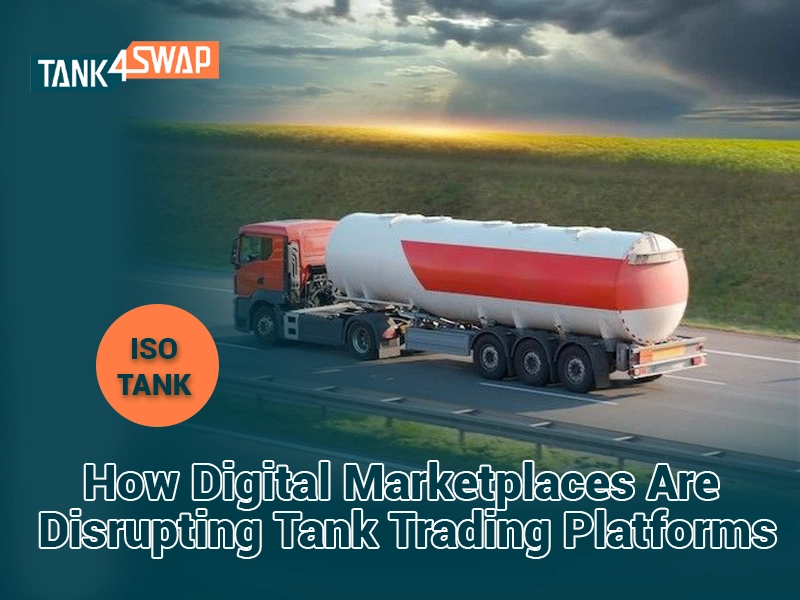
The tank trading industry—long dominated by manual negotiations, opaque pricing, and slow logistics—is undergoing a monumental transformation. At the heart of this shift are digital marketplaces, platforms that connect suppliers, traders, owners, and logistics providers in one transparent, data-driven environment. This article dives deep into how digital marketplaces are disrupting tank trading, reshaping workflows, and redefining global competition.
The Rise of Digitalization in Tank Asset Management Through Digital Tank Trading Platforms
Why Tank Trading Was Ripe for Digital Disruption
Traditional tank trading relied heavily on manual processes, opaque pricing, and slow, paper-based documentation. These inefficiencies created bottlenecks and limited transparency, making the market highly fragmented. As global demand for liquid logistics and bulk transportation increased, it became clear that tank trading needed a digital overhaul to streamline operations, reduce costs, and connect buyers and sellers in a more transparent, agile environment.
How Digital Tank Trading Platforms Are Transforming Tank Trading with Automation
Digital marketplaces are transforming tank trading by automating critical processes such as listing, pricing, contract management, and payment settlement. Automation eliminates human errors, accelerates transactions, and allows real-time matching of supply and demand. By leveraging advanced analytics, AI-driven recommendations, and integrated logistics tracking, these platforms enhance efficiency, lower operational risks, and create a more dynamic, responsive market for tank assets.
Real-Time Data and Analytics in Modern Tank Trading
Real-time data has become one of the most transformative forces in today’s tank trading landscape. Traditionally, traders relied on delayed reports, manual updates, or fragmented communication, which made it nearly impossible to maintain accurate situational awareness. Digital marketplaces have changed this dynamic completely by offering instant visibility into tank availability, pricing, capacity, and transit conditions.
Modern platforms integrate API-driven data streams, IoT sensors, and automated reporting dashboards that display live updates on tank status, market fluctuations, weather conditions, route congestion, and demand trends. This level of transparency allows tank asset owners and traders to make informed decisions within seconds rather than hours or days. Predictive analytics also play a crucial role—algorithmic models can anticipate price shifts, identify potential bottlenecks, and forecast storage demand based on real-time global activity. Ultimately, these insights help companies reduce risks, optimize operational costs, and gain a significant competitive advantage.
Transparency as a Core Advantage of Digital Tank Trading Platforms
Transparency is often cited as the most valuable feature of digital platforms—and for good reason. Historically, tank trading operated within a closed network where price discrepancies, limited market visibility, and exclusive insider relationships often restricted fair competition. Digital marketplaces break down these barriers by making all essential information visible to every user, from price benchmarks and tank specifications to availability and service ratings.
This openness fosters trust, reduces negotiation time, and ensures that both buyers and sellers are operating on equal footing. Transparent rating systems help users choose reliable partners, while verifiable digital records eliminate misunderstandings and contractual disputes. As all interactions and transactions are logged digitally, compliance audits become simpler and more accurate. With transparency at its core, the industry moves away from guesswork and toward efficiency, fairness, and accountability.
How Digital Marketplaces Are Disrupting Tank Trading by Enhancing Global Access
Digital marketplaces are breaking down geographical barriers in the tank trading industry, connecting buyers and sellers across continents. These platforms enable instant access to tank availability, pricing, and logistics options, allowing companies to source and allocate assets efficiently on a global scale. By streamlining international transactions and providing transparent data, digital marketplaces empower businesses to expand their reach and optimize supply chains like never before.
Improved Tank Availability and Demand Forecasting
Digital Identity Verification and Security in Tank Trading
Security and trust are critical in tank trading, and digital marketplaces address these challenges through robust identity verification and cybersecurity measures. By verifying the credentials of buyers, sellers, and logistics partners, platforms minimize fraud and enhance accountability. Encrypted communications, secure contracts, and transaction monitoring further protect sensitive information, ensuring that trading operations remain safe, transparent, and compliant with regulatory standards.
Digital Contracts and Smart Documentation
The shift from paper-based processes to digital contracts marks a major breakthrough in tank trading. Traditional documentation—such as leasing agreements, shipping forms, inspection certificates, and safety declarations—was time-consuming and prone to manual errors. Digital marketplaces now streamline these tasks using automated workflows, e-signatures, and AI-assisted document verification.
Smart contracts take this one step further. Built on blockchain or secure digital logic, smart contracts execute automatically once predefined conditions are met. For example, payment can be triggered once a tank arrives at its destination or when specific inspection criteria are verified. This automation eliminates the risk of delays, disputes, and human error, ensuring smooth collaboration between traders, logistics providers, and storage facilities. Additionally, digital documentation improves safety compliance by offering centralized access to updated regulations and mandatory forms.
Improved Risk Management in Tank Trading
Risk management has historically been one of the most challenging aspects of tank trading due to volatile market conditions, unpredictable logistics, and limited access to accurate data. Digital marketplaces significantly enhance risk mitigation through predictive analytics, automated alerts, and scenario modeling. These platforms can monitor global supply chain conditions, detect potential disruptions, and identify anomalies in tank performance or transport schedules.
Advanced analytics help users anticipate price fluctuations, evaluate asset integrity, and assess partner reliability using data-driven scoring systems. AI-driven risk models can simulate various operational scenarios—such as route delays, demand surges, or equipment failures—allowing traders to prepare contingency plans in advance. By consolidating real-time data from sensors, weather platforms, market feeds, and historical patterns, digital marketplaces offer a multilayered approach to risk management that far surpasses traditional methods. The result is safer operations, reduced financial exposure, and more resilient supply chains.
Conclusion
Digital marketplaces represent the most significant disruption in tank trading history. By enabling transparency, real-time analytics, automation, and global connectivity, they’ve fundamentally improved how the industry operates. As technology continues to advance, tank trading will only become more efficient, competitive, and sustainable.
Frequently Asked Questions (FAQs)
-
What is a digital tank marketplace?
It’s an online platform where users can buy, sell, lease, or manage tank assets and logistics digitally.
-
Why are digital marketplaces important for tank trading?
They provide transparency, efficiency, and automation not achievable through traditional methods.
-
How do digital marketplaces reduce tank trading costs?
By streamlining documentation, optimizing logistics, and eliminating intermediaries.
-
Are digital tank marketplaces secure?
Yes. Most platforms use advanced encryption, identity verification, and compliance protocols.
-
Will digital platforms replace traditional traders?
Not entirely—rather, they empower traders with better tools and faster decision-making capabilities.
Contact TANK4SWAP for Professional Flexi Tank Discharge Solutions
Looking for expert assistance with your Flexi Tank discharge system? The TANK4SWAP support team is ready to help. Whether you need advice on choosing the most effective discharge method, resolving unloading issues, or improving overall efficiency, our specialists deliver tailored solutions designed for your bulk liquid logistics.
At TANK4SWAP, we guarantee that every stage of your Flexi Tank discharge process is safe, efficient, and cost-effective. From gravity-based discharge to pump-assisted or air-pressurized systems, our experts provide clear, practical guidance to help you maximize liquid recovery and minimize product loss.
Why Choose TANK4SWAP?
✔️ Specialized Expertise – Customized recommendations based on your specific unloading needs
✔️ Efficiency Enhancement – Strategies to accelerate discharge and reduce waste
✔️ Dependable Support – Assistance with safety, compliance, and operational best practices
📞 contact us:
Reach out to TANK4SWAP today for professional Flexi Tank discharge support and ensure a smooth, trouble-free unloading experience!
