
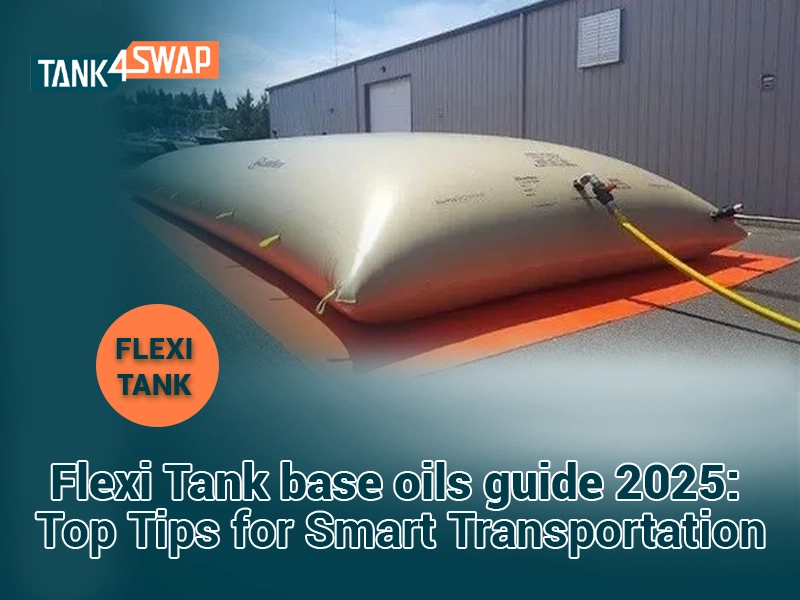
In today’s fast-paced global oil trade, efficient and safe bulk transportation methods are critical. One solution that’s rapidly gaining popularity among manufacturers and logistics companies is the Flexi Tank base oils guide system. This modern approach to bulk liquid transport is changing how businesses move base oils across borders—offering flexibility, reduced costs, and improved sustainability.
What Is a Flexi Tank and Why It’s Revolutionizing Base Oil Transport
Understanding the Concept of Flexi Tanks
A Flexi Tank is a large, flexible container designed to fit inside a standard 20-foot shipping container. It allows companies to transport non-hazardous liquids like base oils efficiently without using drums or ISO tanks. These tanks are made of multi-layered polyethylene and an outer woven polypropylene layer, ensuring both strength and leak resistance.
Benefits of Using Flexi Tanks for Base Oils
Flexi Tanks have transformed bulk liquid logistics. For base oils, they offer several key advantages:
- Cost savings: Reduced packaging and cleaning costs compared to drums.
- Higher payload: Up to 24,000 liters per container, maximizing shipment volume.
- Ease of handling: Simplified loading and unloading using standard pumps.
- Environmental benefits: Reduced waste and carbon footprint.
How Flexi Tanks Work: Inside the Flexi Tank System
Understanding the operation of a Flexi Tank system is essential for safe and efficient base oil transport. This Flexi Tank base oils guide explains how these flexible containers are engineered for durability, handling high pressure, temperature variations, and long-distance logistics with ease.
-
Structural Design and Engineering
Flexi Tanks are typically constructed using multi-layered polyethylene (PE) film combined with an outer layer of woven polypropylene (PP). The multiple layers prevent punctures and chemical reactions with base oils. The PE film acts as a barrier to oxygen and moisture, ensuring the oil retains its chemical composition and viscosity during shipment.
Some advanced tanks even include anti-oxidation coatings or UV-resistant layers for tropical or high-temperature regions.
-
Loading and Filling Techniques
Before loading begins, the Flexi Tank is fitted inside a 20-foot container. The tank’s inlet valve is connected to a pump system that controls the flow rate of the base oil. It’s vital to maintain a steady and moderate pressure during filling — too fast can cause air pockets or liner stress, while too slow may reduce efficiency.
Modern facilities now use automated filling stations equipped with digital sensors to measure temperature, density, and total volume in real time.
-
Transport Dynamics and Stability
Once filled, the tank takes the shape of the container’s interior. The flexibility of the liner allows it to absorb movement during transportation, whether by sea, rail, or road. To prevent excessive fluid motion (known as “surge”), air gaps are minimized, and the tank is properly braced within the container.
In long-distance transport, temperature control devices or insulated containers can be used to maintain base oil stability.
-
Unloading Process
At the destination, unloading is usually done using gravity discharge or pump-assisted systems. Proper venting is crucial to avoid vacuum formation, and operators must wear appropriate protective equipment. For viscous oils, heating pads or recirculation systems can help ensure smooth flow during discharge.
Types of Base Oils Suitable for Flexi Tank Transport
Group I, II, and III Base Oils Explained
Flexi Tanks are compatible with Group I, II, and III base oils, each offering different levels of refinement. Group I oils are solvent-refined, Group II are hydrotreated, and Group III are hydrocracked—making them more stable and cleaner.
Synthetic and Mineral Base Oils
Synthetic base oils benefit the most from Flexi Tanks due to their stability and purity requirements. These tanks maintain consistent quality during long-haul shipping.
Specialty Base Oils: Applications and Handling Tips
Specialty oils like white oils, transformer oils, or process oils can also be safely shipped using Flexi Tanks when temperature and viscosity parameters are properly managed.
Advantages of Using Flexi Tanks for Base Oils Logistics
The global logistics sector is increasingly relying on Flexi Tanks for their outstanding cost-efficiency, cleanliness, and eco-friendly design. This Flexi Tank base oils guide highlights how these benefits help base oil producers and distributors achieve higher profit margins while minimizing operational risks.
-
Exceptional Cost Savings
Flexi Tanks eliminate the need for steel drums, IBC totes, or ISO tanks — all of which require cleaning, return shipping, or deposit systems.
A single Flexi Tank can carry up to 24,000 liters, compared to about 80–100 drums per container. This reduces packaging costs by 30–40% and optimizes space utilization, significantly lowering per-liter freight expenses.
-
Clean, Contamination-Free Transport
Since Flexi Tanks are single-use containers, there’s no risk of residue from previous shipments contaminating the oil. This feature is particularly beneficial for high-purity base oils used in pharmaceuticals, cosmetics, or food-grade lubricants.
Moreover, tanks are manufactured in clean-room environments, ensuring zero dust or foreign particle entry before filling.
-
Enhanced Sustainability
Flexi Tanks support environmental sustainability in several ways:
- Reduced packaging waste: No steel drums or pallets.
- Lower carbon emissions: One-way shipping reduces return logistics.
- Recyclable materials: Most tanks can be repurposed or recycled into non-food-grade plastic products.
-
Time and Labor Efficiency
Loading or unloading a Flexi Tank takes under one hour, compared to several hours with drums. This saves labor costs and speeds up shipping cycles, which is critical for companies managing multiple global routes.

Step-by-Step Setup and Loading Process
Pre-Inspection and Tank Selection
Before loading, ensure the Flexi Tank matches the base oil’s viscosity and temperature range. Always inspect for punctures or leaks.
Filling Procedures for Base Oils
Load base oils slowly and evenly to prevent air pockets. Temperature monitoring is crucial for viscosity management during transfer.
Safety Measures During Loading and Transport
Use grounded equipment to avoid static discharge. Monitor pressure and temperature continuously to maintain product integrity.
Challenges in Flexi Tank Base Oil Shipping and How to Overcome Them
Temperature Sensitivity and Viscosity Issues
Base oils can thicken in cold conditions. Using heated Flexi Tanks or pre-heating the oil before loading helps maintain flow properties.
Leakage Prevention and Quality Assurance
Always perform pre-shipment quality checks and use tanks with strong inner liners certified by COA or FDA for non-hazardous liquids.
Flexi Tank Maintenance and Reusability
Cleaning and Disposal Practices
Although Flexi Tanks are typically single-use, some can be cleaned and recycled for non-food-grade purposes, promoting a circular economy.
Sustainability and Recycling of Flexi Tanks
Many manufacturers now produce eco-friendly Flexi Tanks using biodegradable plastics, reducing overall environmental impact.
Cost Analysis: Is Flexi Tank the Best Option for Your Base Oil Business?
Comparing Costs Between Flexi Tanks and Drums
While initial costs may appear similar, Flexi Tanks reduce per-liter transport costs by up to 40% compared to drums or ISO tanks.
Factors Affecting Flexi Tank Pricing
Pricing depends on volume, destination, material type, and freight rates. Bulk contracts can further reduce costs per shipment.
Choosing the Right Flexi Tank Supplier for Base Oils
Key Certifications and Quality Standards
Ensure your supplier complies with ISO 9001, COA, and BGA standards. These guarantee quality manufacturing and safety compliance.
How to Evaluate Vendor Reliability
Look for suppliers with proven experience in transporting base oils and strong after-sales technical support.
Future Trends in Flexi Tank Technology for Base Oils
Smart Flexi Tanks and IoT Tracking Systems
Next-generation Flexi Tanks will feature smart sensors to monitor temperature, pressure, and location in real time.
Innovations in Eco-Friendly Materials
Manufacturers are developing bio-based and recyclable films, pushing the industry toward sustainable logistics solutions.
FAQs about Flexi Tank Base Oils Guide
Q1. What are the main benefits of using Flexi Tanks for base oils?
They offer cost savings, higher payload capacity, and reduced contamination risk.
Q2. Can all types of base oils be shipped in Flexi Tanks?
Yes, except highly viscous or hazardous types; Group I–III oils are ideal.
Q3. Are Flexi Tanks reusable?
Most are single-use, but some models can be reused after cleaning.
Q4. How do you prevent leaks during transport?
By conducting pre-inspection, using certified tanks, and sealing connections properly.
Q5. What’s the lifespan of a Flexi Tank?
Typically, a single voyage; however, proper handling extends durability.
Q6. Is Flexi Tank transport environmentally friendly?
Yes, due to reduced packaging waste and recyclable materials.
Conclusion: Why Flexi Tanks Are the Future of Base Oil Transportation
The Flexi Tank base oils guide proves that these tanks are not just a logistics trend but a long-term solution for sustainable, cost-efficient oil transport. As technology advances and sustainability becomes a priority, Flexi Tanks will continue to reshape the base oil logistics landscape globally.
Get in Touch with TANK4SWAP for Premium Flexi Tank Solutions
Are you searching for dependable Flexi Tank solutions to streamline your bulk liquid logistics?
Whether you’re selecting the ideal Flexi Tank for your cargo, analyzing cost-efficiency and transport benefits, or seeking expert advice on technical challenges, TANK4SWAP has you covered.
Our experienced team delivers customized support to ensure your bulk liquid transportation is safe, efficient, and budget-friendly.
We proudly serve clients around the world, offering high-performance Flexi Tanks engineered for a wide range of applications — including food-grade liquids, chemical products, lubricants, and industrial base oils.
Why Partner with TANK4SWAP?
✔️ Expert Consultation – Receive personalized recommendations tailored to your cargo specifications and transport needs.
✔️ Dependable Support – Our professionals are always available to assist with logistics planning, technical queries, and after-sales service.
✔️ Cost-Effective Solutions – Reduce operational expenses and improve efficiency with durable, competitively priced Flexi Tanks.
📞 Contact TANK4SWAP today and let our specialists help you choose the most reliable, cost-efficient Flexi Tank solution for your business.
