
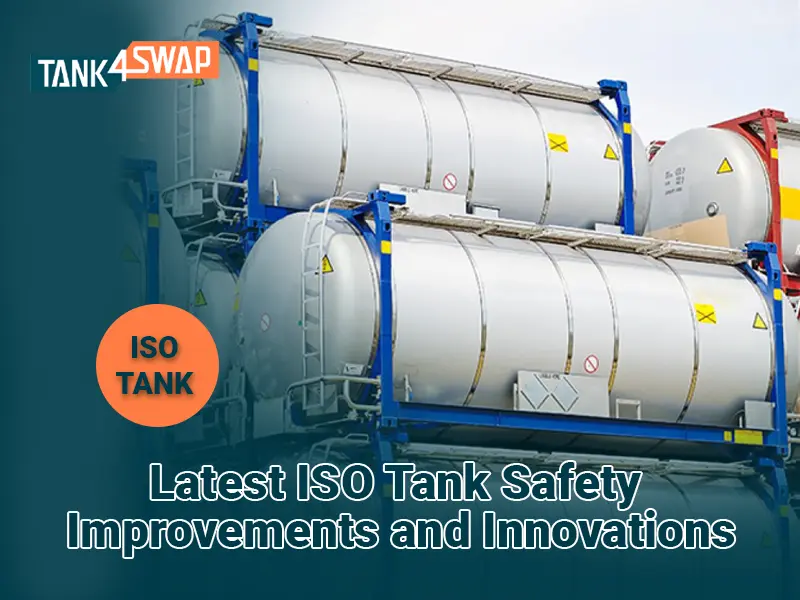
ISO tanks are specialized containers used for transporting hazardous and non-hazardous liquids across global supply chains. Given their use in transporting volatile chemicals, flammable substances, and industrial materials, maintaining strict safety standards isn’t just a recommendation—it’s a necessity.The focus on ISO tank safety improvements has grown significantly as global trade intensifies and regulations tighten. Improving safety ensures not just the protection of people and property, but also environmental preservation and uninterrupted operations.
Global Standards and ISO Tank Safety Improvements in Regulations
Key International Safety Standards
ISO tanks are governed by several international frameworks that ensure safety during manufacturing, handling, and transport. These include:
- ISO 1496/3 for design and testing.
- IMDG Code (International Maritime Dangerous Goods).
- CFR Title 49 (US DOT regulations).
- ADR (European Agreement concerning the International Carriage of Dangerous Goods by Road).
Role of IMO, ADR, and DOT
Each of these regulatory bodies mandates various aspects of tank construction, materials, testing, and inspection. Compliance with these rules ensures that ISO tanks can be used globally without compromising safety.
Design-Level Safety Improvements
Material Selection and Structural Integrity
Modern ISO tanks now incorporate corrosion-resistant stainless steel with additional cladding to withstand extreme pressure and temperatures. Reinforced frames reduce the chance of structural failure during accidents.
Improved Pressure Relief Valves
Newer pressure valves are engineered to release excess pressure without fully opening the valve, reducing the risk of catastrophic failure.
Double-Sealing Mechanisms
Dual gaskets and vacuum-locking caps ensure liquid containment even under high-pressure differentials, preventing leaks during long-haul transport.
Operational ISO Tank Safety Improvements and Protocols
Loading and Unloading Best Practices
Proper grounding and bonding techniques during loading prevent electrostatic discharges. Operators now follow standardized checklists before and after the operation.
Emergency Shutdown Systems
Integrated shutoff valves that can be activated remotely allow for fast containment in the event of a system failure or human error.
Real-time Pressure and Temperature Monitoring
Smart gauges continuously monitor internal conditions and send alerts if parameters exceed safe thresholds, allowing for proactive intervention.
Technological Advancements in ISO Tank Safety
Smart Sensors and IoT Integration
Internet of Things (IoT) devices collect real-time data from sensors embedded in tanks, sending continuous updates to centralized dashboards.
GPS Tracking and Geo-Fencing
Live GPS tracking not only provides logistics data but also triggers alerts when tanks enter restricted zones or deviate from assigned routes.
Predictive Maintenance Technologies
Using machine learning, operators can now forecast potential equipment failures and schedule timely repairs, reducing unplanned downtime and accidents.
Inspection and Maintenance Procedures for ISO Tank Safety Improvements
Routine Inspection Checklists
Inspections must be performed every 2.5 years for most tanks and include checks for:
- Structural damage
- Valve functionality
- Leakage points
Non-Destructive Testing Methods
Ultrasound, radiography, and hydro-testing help identify internal flaws without disassembling the tank.
Repair and Replacement Guidelines
Parts that fail to meet compliance thresholds must be replaced with certified, traceable components, following manufacturer-specific protocols.
Human Factor and Training Programs
Operator Certification Requirements
All handlers must undergo rigorous training, including:
- Material compatibility
- Emergency response
- Documentation and labeling
Safety Drills and Simulation Training
Mock drills simulate spill or leak scenarios, preparing teams to respond swiftly and effectively.
PPE and Hazard Communication Standards
Wearing proper Personal Protective Equipment (PPE) and understanding hazard communication labels like GHS pictograms is mandatory.
Transportation and Handling ISO Tank Safety Improvements
Securing Tanks During Transit
Double-locking twist locks, anti-surge devices, and shock absorbers are now standard on carriers and trailers.
Multi-Modal Compatibility Safety Tips
Whether shipped by rail, sea, or truck, tanks must meet specific standards for latching, spacing, and accessibility.
Anti-Spill and Anti-Surge Systems
Surge protectors inside the tank reduce fluid movement that could destabilize vehicles or rupture seals during transport.
Environmental and Sustainability Considerations
Leak Prevention and Spill Containment
Drip pans, bund walls, and vacuum containment systems are increasingly adopted.
Eco-Friendly Coatings and Insulation
Non-toxic linings help reduce heat loss and chemical interaction, which also extends tank life.
Reducing Carbon Footprint in Logistics
Optimized routes, shared containers, and lightweight tank designs are helping lower emissions across the supply chain.

Challenges in Implementing Safety Improvements
Budget and Cost Constraints
While safety improvements offer long-term benefits, the upfront investment in technology, training, and advanced materials can be significant. Smaller companies may find it challenging to upgrade their fleets without financial support or incentives.
Resistance to Technological Changes
There’s often resistance to adopting smart systems due to fear of complexity or job displacement. Change management strategies and hands-on training can help bridge this gap.
Regulatory Compliance Delays
Different countries have varying levels of enforcement and regulatory frameworks. Harmonizing these rules globally remains a challenge and can lead to delays or operational inefficiencies.
ISO Tank Safety in Emerging Markets
Gaps in Infrastructure and Training
Emerging economies often struggle with insufficient training facilities and outdated infrastructure, leading to increased risk during ISO tank operations.
Local vs. Global Compliance Issues
ISO tanks may pass international standards but fail local audits due to differences in interpretation or outdated local regulations. Bridging this compliance gap is crucial for global supply chain reliability.
Future Trends in ISO Tank Safety
AI-Driven Risk Management
Artificial intelligence is beginning to play a role in predictive safety management. AI can analyze historical incident data, identify risk patterns, and recommend preventive actions in real-time.
Blockchain for Audit Trails
Blockchain technology ensures tamper-proof tracking of inspections, maintenance, and transport history. This promotes transparency and accountability across the logistics chain.
Automation in Inspection Routines
Drones and robotic arms are increasingly used for internal inspections, especially in hard-to-reach areas, improving safety while reducing human error.
Frequently Asked Questions (FAQs)
-
What is an ISO tank and why is safety important?
An ISO tank is a standardized container used to transport liquids, gases, or powders in bulk. Safety is critical because they often carry hazardous materials that pose risks to people, the environment, and property if not handled properly.
-
What are the most common causes of ISO tank accidents?
Typical causes include poor maintenance, operator error, valve failures, and non-compliance with international safety standards.
-
How often should ISO tanks be inspected?
According to international standards, ISO tanks should undergo a full inspection every 2.5 years and a more detailed test every 5 years.
-
What safety features are being added to new ISO tanks?
Modern ISO tanks include GPS tracking, smart sensors, reinforced structures, and automatic pressure relief systems.
-
Can ISO tanks be used for all types of chemicals?
No. Each ISO tank is designed for specific types of materials. Compatibility must be verified based on chemical properties and tank materials.
-
How can companies improve ISO tank safety affordably?
Companies can focus on staff training, routine inspections, and digital tracking solutions that offer high impact with moderate investment.
Conclusion and Final Thoughts
As the global demand for safe and efficient transportation of hazardous materials continues to rise, the importance of ISO tank safety improvements cannot be overstated. From advanced sensor technologies to stringent training programs and smart regulatory frameworks, every enhancement adds another layer of protection.
Companies that invest in safety not only avoid catastrophic losses but also build a reputation for reliability and responsibility. With emerging technologies and increased awareness, the future of ISO tank safety looks more secure, more efficient, and more sustainable than ever.
Partner with TANK4SWAP for Trusted Flexi Tank Solutions
Need a dependable solution for bulk liquid transport? At TANK4SWAP, we specialize in providing expert support and high-performance Flexi Tanks tailored to your cargo needs. Whether you’re navigating the selection process, evaluating cost-efficiency, or tackling technical challenges, our team is ready to assist every step of the way.
With years of experience serving global clients, we deliver flexible, safe, and cost-effective Flexi Tank solutions for a wide range of applications—from food-grade liquids to chemicals and industrial oils.
Why TANK4SWAP Stands Out:
- ✅ Expert Advice: Customized recommendations based on your industry, product, and route.
- ✅ Dependable Support: Responsive assistance with logistics planning and technical troubleshooting.
- ✅ Value-Driven Solutions: High-quality Flexi Tanks that balance safety, reliability, and affordability.
contact us :
📞 Reach out to TANK4SWAP today to discover how we can enhance your bulk liquid transportation with precision and confidence.
