
When it comes to transporting bulk liquid commodities like base oils across the globe, logistics efficiency, safety, and cost are key concerns. That’s where Flexi Tank base oils transport shines. Flexitanks offer an innovative, flexible, and eco-friendly solution for moving large volumes of base oils economically.
What is Flexi Tanks?
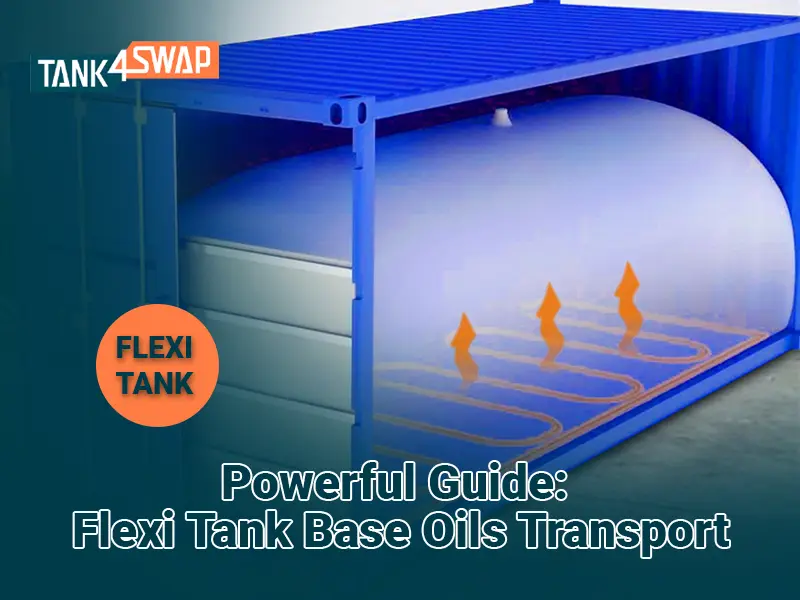
A Flexi Tank is a large, flexible container made from multiple layers of polyethylene and an outer protective woven layer. It’s designed to fit inside a standard 20-foot shipping container and can carry between 16,000 and 24,000 liters of non-hazardous liquid cargo, including base oils.
Overview of Base Oils
Base oils are essential ingredients used in manufacturing lubricants, greases, and other industrial fluids. They’re categorized based on their production method and properties, such as viscosity and oxidation stability. Efficient transportation of these oils is vital to industries worldwide.
Why Flexi Tank Base Oils Transport Is the Smart Choice ?
Using flexitanks offers several distinct advantages for the transport of base oils.
Efficiency and Cost-Effectiveness
Compared to drums or ISO tanks, flexitanks allow shippers to load more product per container. This reduces the cost per liter and improves logistical efficiency. There’s also less packaging waste and faster loading times.
Environmental Benefits
Flexitanks are mostly recyclable and generate less waste compared to plastic drums or intermediate bulk containers (IBCs). Their single-use nature also eliminates the need for chemical cleaning, reducing water pollution.
Storage Flexibility
Flexitanks maximize container volume utilization. Since they expand within the container, there’s no wasted space, unlike rigid containers. This also simplifies storage at ports or warehouses.
Types of Base Oils Suitable for Flexi Tanks
Not all base oils are created equal, and it’s important to know which types work well with flexitank systems.
Group I, II, III Base Oils
- Group I: Solvent-refined and commonly used.
- Group II: Hydrotreated, offering better performance.
- Group III: Severely hydrocracked for superior quality.
All three are compatible with most modern flexitanks when transported under proper conditions.
Synthetic vs Mineral Oils
Both synthetic and mineral base oils can be transported in flexitanks, but the chemical compatibility must be checked to prevent interaction with tank materials.
Design and Construction of Flexi Tanks
Materials Used
Flexitanks are typically made from multi-layered linear low-density polyethylene (LLDPE), with an outer woven polypropylene layer for added strength.
Single-Use vs Multi-Use Flexi Tanks
- Single-use tanks: More hygienic, reduce contamination risk.
- Multi-use tanks: Require stringent cleaning but are cost-effective for long-term operations.
Loading and Unloading Procedures
Step-by-Step Process
- Inspect and clean the container.
- Install the flexitank and secure it.
- Load oil using a pump.
- Seal and document.
- Transport and monitor.
- Unload at destination with discharge pump.
Safety Guidelines
Always wear protective gear, ensure the tank is not overfilled, and inspect for leaks before and after loading.
Compatibility of Base Oils with Flexi Tank Materials
Chemical Resistance
Flexitank manufacturers rigorously test their tanks for compatibility with various base oils. Most use inner linings made of polyethylene, which resists degradation when in contact with petroleum-based products. However, it’s crucial to verify the Material Safety Data Sheet (MSDS) of each base oil to ensure full compatibility.
Temperature Tolerance
Base oils often require stable temperatures during transit. Flexitanks can withstand a temperature range between -20°C to +60°C. For highly sensitive oils, insulated or thermal flexitanks are recommended to prevent viscosity changes and maintain quality.
Regulatory Standards and Compliance
International Shipping Regulations
Transporting base oils via flexitanks must comply with UN, IMO, and ISO standards. These ensure that containers are safe for international transit, especially across maritime routes.
Industry Certifications
Look for flexitank providers that are COA (Container Owners Association) certified and follow the Global Flexitank Standards (GFS). These certifications reflect quality manufacturing, handling, and installation protocols.
Best Practices for Flexi Tank Installation
Container Preparation
- Clean the container thoroughly.
- Check for rust, sharp edges, or protrusions.
- Install bulkheads and padding as per manufacturer instructions.
Handling Precautions
Avoid dragging or piercing the tank during installation. Use professional loading teams trained in flexitank setup to minimize risk of damage or leakage.
Top Challenges Facing Flexi Tank Base Oils Transport
Leakage and Contamination Risks
Although rare, leaks can occur due to improper handling or poor-quality tanks. To mitigate this, always:
- Choose reputable suppliers.
- Conduct pre-shipment inspections.
- Use secondary containment options.
Temperature Management
In colder climates, base oils may thicken. To combat this:
- Use heating pads or thermal containers.
- Ship during favorable weather conditions when possible.

Comparing Flexi Tanks with Traditional Transport Methods
| Feature | Flexi Tanks | Drums | IBCs | ISO Tanks |
| Volume per Container | 16,000–24,000 L | 8,000–10,000 L | 12,000 L | 20,000 L |
| Cost Efficiency | High | Low | Medium | High |
| Reusability | Single/Multi-use | Reusable | Reusable | Reusable |
| Setup Time | Fast | Slow | Medium | Medium |
Flexi tanks clearly outperform in terms of cost, speed, and capacity.
Cleaning and Disposal of Used Flexi Tanks
Waste Management Protocols
Since many flexitanks are single-use, proper disposal is vital. Always:
- Follow local recycling laws.
- Partner with certified waste disposal providers.
- Avoid landfill dumping.
Eco-Friendly Disposal Options
Some companies now offer biodegradable flexitanks or facilitate recycling programs where tanks are converted into pallets, plastic boards, or other products.
Key Players in the Flexi Tank Base Oils Transport Industry
Top Flexi Tank Manufacturers
- Braid Logistics
- SIA Flexitanks
- Trans Ocean
- Qingdao Global Flexitank
These manufacturers meet international safety standards and offer advanced solutions.
Global Logistics Providers
- Maersk Logistics
- Hoyer Group
- Stolt-Nielsen
These companies offer end-to-end flexitank logistics with global reach and technical support.
Technological Advancements in Flexi Tank Transport
Smart Monitoring Systems
Modern flexitanks come with IoT-based sensors that track:
- Temperature
- Pressure
- Movement
- Potential leaks
Innovations in Flexi Tank Design
Recent models feature:
- Anti-oxidation linings
- UV-resistant coatings
- Pressure release valves for enhanced safety
Case Studies and Success Stories
Real-World Applications
A lubricant manufacturer in the UAE shifted from drums to flexitanks and reduced shipping costs by 35%. Another company in India saw a 50% drop in contamination claims using pre-sterilized flexitanks.
Results and Benefits Achieved
- Faster shipping cycles
- Improved product quality
- Reduced carbon footprint
Tips for Choosing the Right Flexi Tank
Volume Requirements
Choose a tank capacity (16,000–24,000 L) based on your shipment size to avoid underfilling or overfilling.
Oil Type Compatibility
Ensure the tank material matches the oil’s chemical profile. For synthetic oils, confirm higher resistance properties.
Supplier Reputation
Always buy from COA-certified suppliers with a proven track record in oil transport.
Frequently Asked Questions (FAQs)
-
Are flexitanks safe for transporting base oils?
Yes, when installed and used properly, flexitanks are safe and approved for base oil transport under global standards.
-
Can I reuse a flexitank for another shipment?
Generally, flexitanks are single-use, especially for petroleum products. However, some models can be reused after certified cleaning.
-
How long does loading a flexitank take?
Loading typically takes 1–2 hours, depending on pump speed and the oil’s viscosity.
-
What happens if there’s a leak during transit?
Good quality flexitanks include leak prevention features, but insurance and secondary containment should be in place just in case.
-
Can flexitanks be used in extreme weather?
Yes, but for cold climates, consider using thermal liners or heated containers.
-
What is the maximum shelf life of base oil in a flexitank?
Base oils can typically be stored in a flexitank for up to 6 months, provided the container is kept in a controlled environment.
Conclusion
Flexi Tank base oils transport is revolutionizing the way bulk liquids are shipped across the world. It offers an unbeatable combination of cost savings, environmental benefits, and logistical ease. With rising demand for efficiency and sustainability, the use of flexitanks in the base oil sector is set to grow exponentially.
Whether you’re a lubricant manufacturer, a chemical distributor, or a global trader, adopting flexitank solutions can give you a serious edge in a competitive market.
Partner with TANK4SWAP for Trusted ISO Tank Transport Excellence
Need a reliable solution for your bulk liquid logistics? TANK4SWAP specializes in ISO tank transport services designed to meet your unique shipping needs. Our seasoned logistics experts provide end-to-end support, ensuring each shipment is handled with maximum safety, efficiency, and cost-effectiveness.
Whether you’re shipping chemicals, food-grade liquids, or pharmaceuticals, TANK4SWAP manages the entire process—from international freight coordination and regulatory compliance to real-time shipment visibility.
Why Choose TANK4SWAP?
✔ Certified & Compliant – Adheres to IMDG, ADR, DOT, and food-grade regulations
✔ Global Logistics Network – Seamless multimodal shipping across road, rail, and sea
✔ Advanced Tracking Tools – Real-time monitoring for full transparency and peace of mind
📞 Get in touch with TANK4SWAP today for custom ISO tank transport solutions and experience a streamlined, secure, and cost-optimized bulk liquid supply chain.
